Free delivery on orders of AED 300 and above

Same-day delivery in Dubai on selected items

Call 800-CHEFSPLAY

Category: For the love of food

  • Tacos vs. Burritos: Which Makes the Better Family Meal?

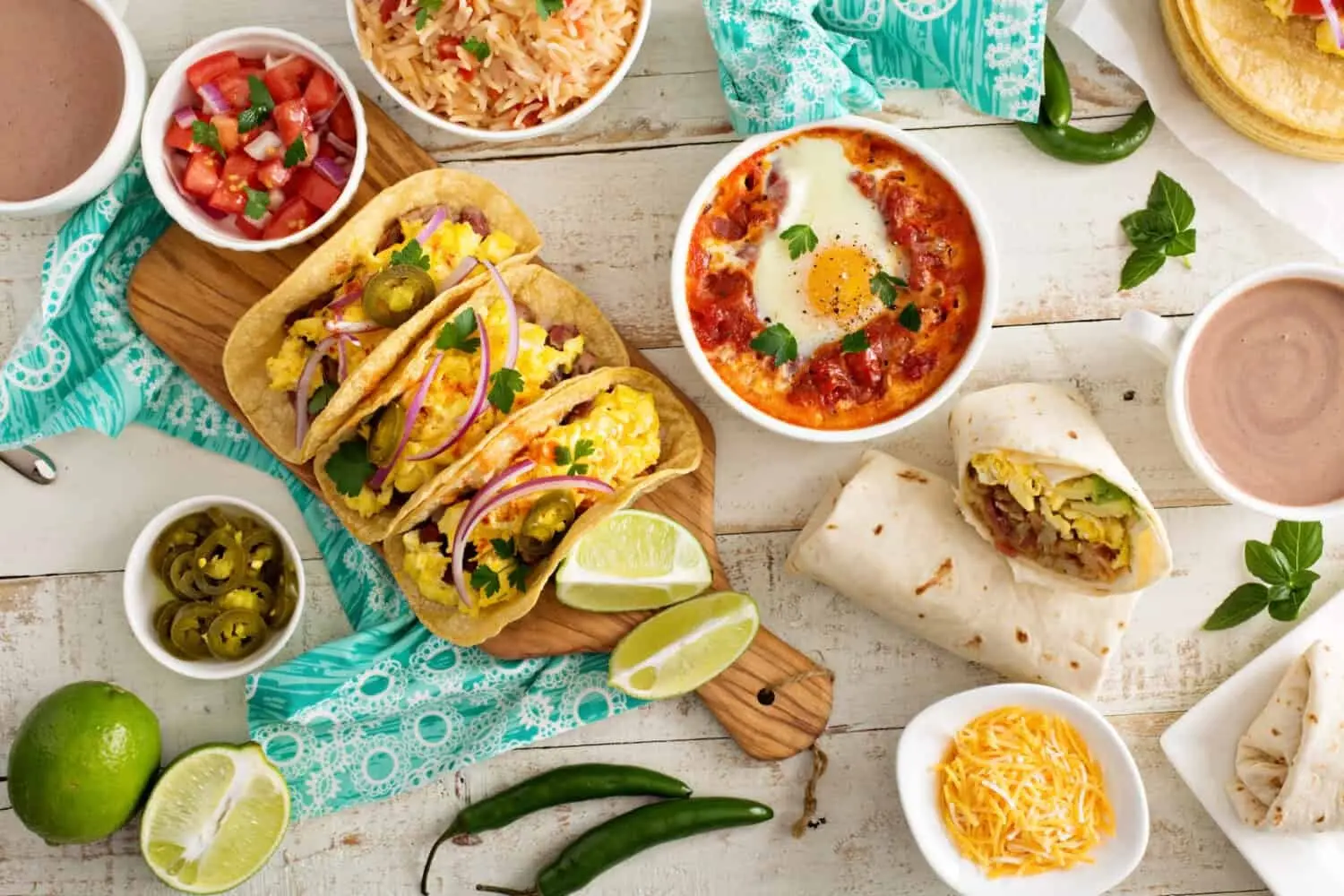
    Tacos vs. Burritos: Which Makes the Better Family Meal?

    Let’s taco ’bout one of the most debated topics in the culinary world: tacos versus burritos. Aficionados of handheld meals everywhere have strong opinions about these delectable dishes. But what gives each dish its unique magic? Are they the same thing? Can they be substituted for one another? We load you up with all the delicious details!

    Nutritional Differences
    When it comes to the nutritional differences between tacos and burritos, it all depends on what ingredients you use. Tacos are typically smaller and made with a soft or hard shell, while burritos are larger and wrapped in a soft tortilla. Tacos can be filled with a variety of ingredients, such as meat, beans, cheese, lettuce, and tomato, while burritos often include rice and refried beans as a base, with additional toppings like meat, cheese, guacamole, and sour cream.

    If you’re watching your calorie intake, tacos may be the better option as they are typically smaller and have less room for high-calorie fillings. Burritos are ideal for big appetites, especially for people who consume more of their common base ingredients (like rice and beans).

    Two main areas where nutrition values differ include the tortillas and the toppings:

    Tortilla Variations: Burritos often use larger flour tortillas, which can contribute more carbohydrates and calories. However, whole wheat or low-carb tortillas are excellent options as healthier alternatives. Tacos, on the other hand, work exceptionally well with soft corn tortillas, which are generally lower in calories and gluten-free. Opting for corn tortillas can be a great choice for those seeking a lighter option.

    Fillings: The nutritional content of both burritos and tacos largely depends on the fillings. Protein choices like grilled chicken, lean beef, or beans can add a healthy dose of protein, while vegetables provide essential vitamins and fiber. Keep an eye on high-fat toppings like cheese, sour cream, and guacamole, as they can add extra calories. Choose lighter options or use them in moderation for a healthier twist.

    Are Tacos and Burritos the Same Thing?
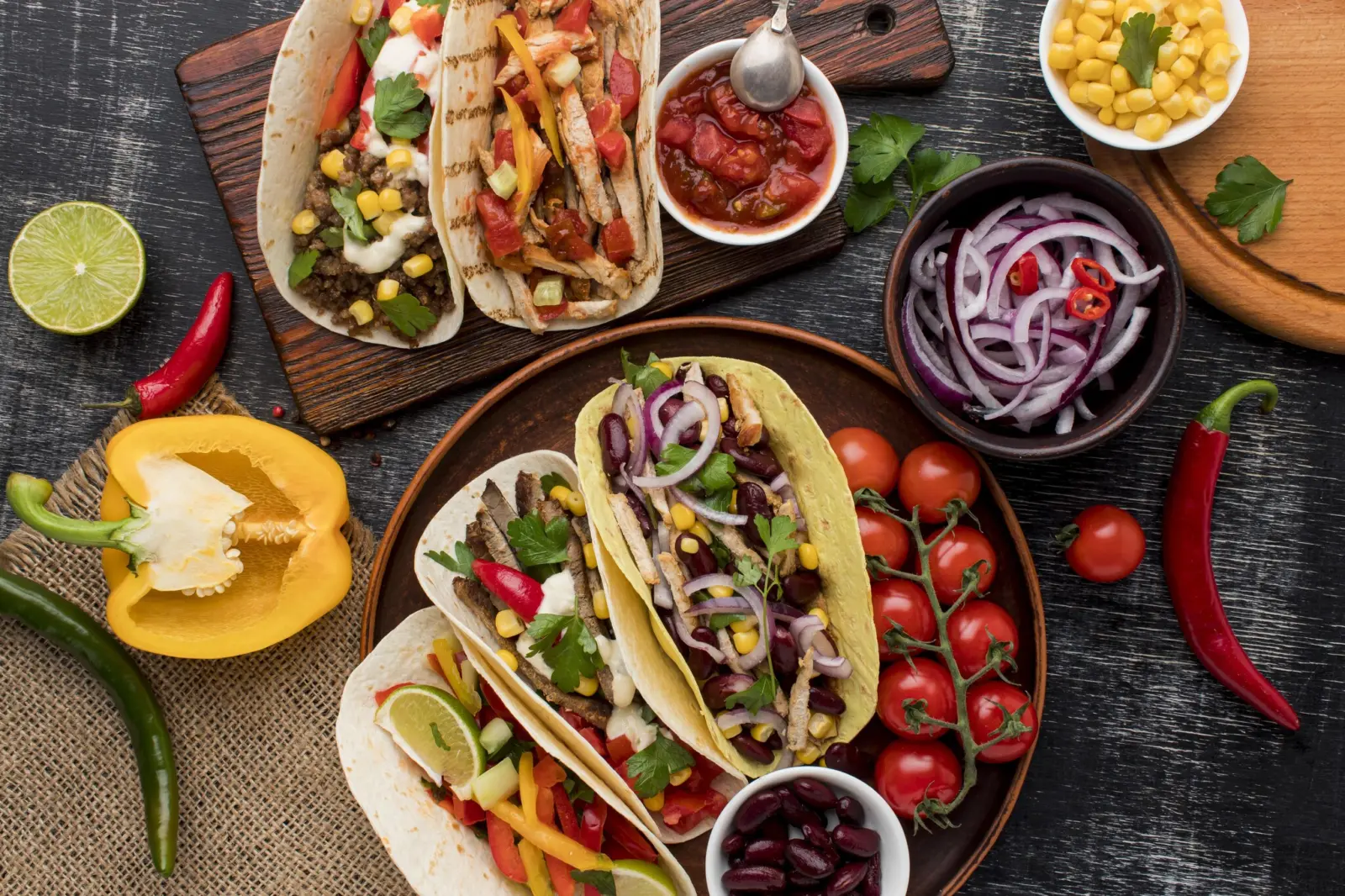
    While tacos and burritos share some similarities in terms of their ingredients, they are not the same thing. The main difference lies in their assembly. Tacos are usually open-face, with toppings and fillings heaping directly on the tortilla. Burritos on the other hand are tightly wrapped, enclosing all the mouthwatering ingredients.

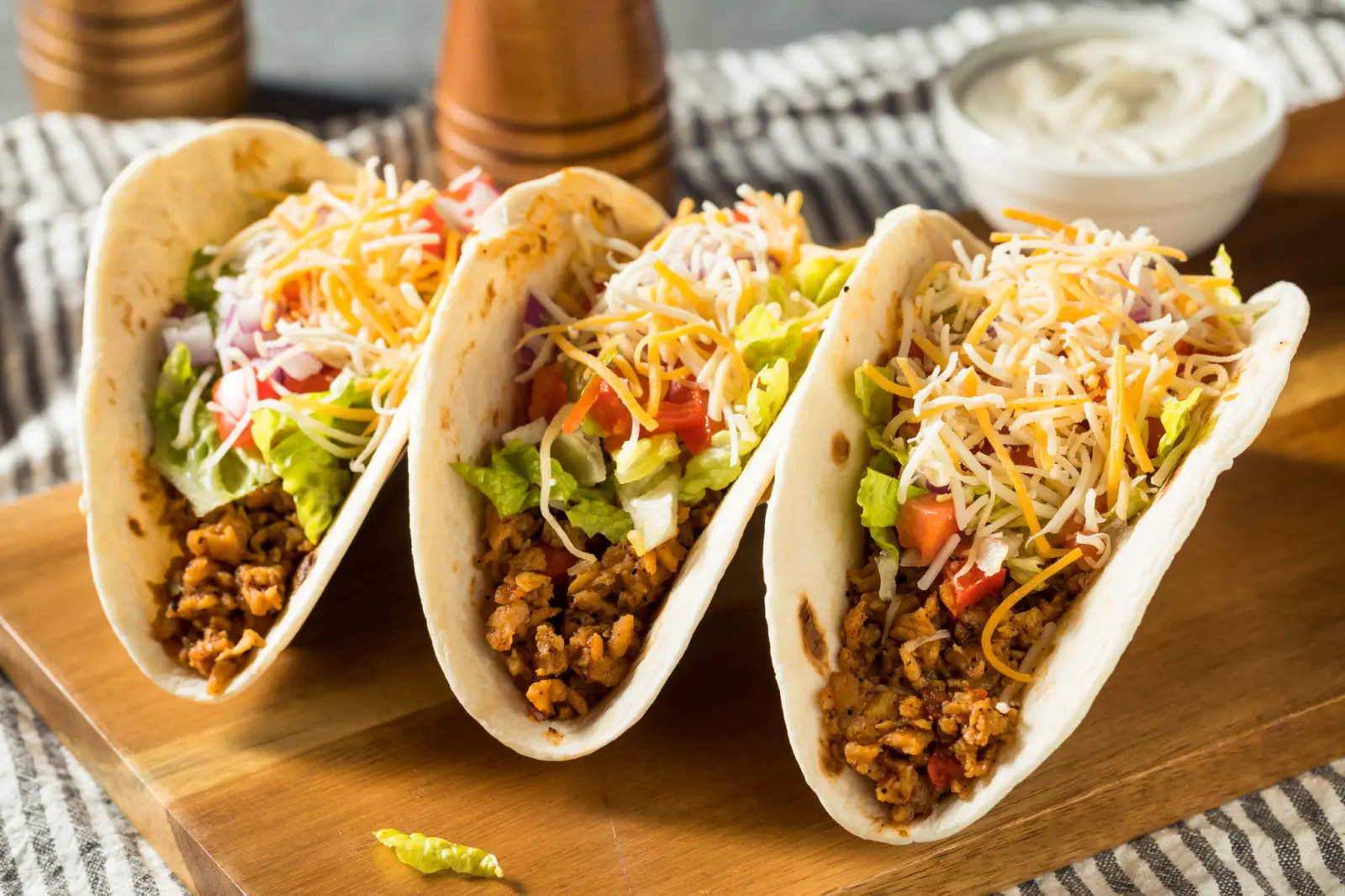
    Tacos are typically smaller and made with a soft or hard shell, while burritos are larger and folded into a soft or crunchy tortilla. Tacos are often topped with a variety of ingredients. Pile your toppings onto your tortilla or hard taco shell and simply fold in half, which makes a pocket of magic you can eat. They are definitely the more straightforward and simpler option, with a less robust filling list than burritos. Though, there are no rules about limiting what you put into your tacos. Go wild! Fill them with anything!

    Burritos are also endlessly customizable. Burritos are almost always contain large, steamed flour tortillas. This allows the tortilla to be extra flexible so that you can roll your burrito without ripping it. You can build a burrito out with just about anything, but they often include rice and refried beans as a base. Load up on protein in the form of meats, eggs, whole grains, or tofu. Next come the veggies, and you can include either cooked or fresh onions, peppers, corn, tomatoes, avocado, and more. Top with your favorite sauces. What makes the burrito specifically distinct is how the tortilla wraps around the ingredients. This creates a fully enclosed envelope of goodness that you can lift and eat.

    Additionally, you eat burritos in a different way. Tacos are often held in the hand and eaten one at a time, while burritos are typically messier, and may require a fork or knife if they are overstuffed. You can also wrap them in foil to eat them on the go.

    Can Tacos and Burritos Substitute for One Another?
    While tacos and burritos are not the same thing, they can substitute for one another depending on your preferences. If you’re in the mood for a smaller, handheld meal, a taco may be the way to go. If you’re looking for a more filling meal, a burrito will be the better option.

    The construction is the biggest differentiator when it comes to the two. If you need something quick and easy, tacos are a reliable choice. If you don’t mind the extra work of making burritos to order or mastering the art of the fold of the burrito — which can be tricky, we won’t lie — then burritos are a show-stopper for sure.

    However, it’s important to note that the flavors and textures of tacos and burritos are different, so substituting one for the other may not always result in the desired outcome. Especially if you’re serving people who have sensory processing preferences when it comes to the elements of their foods.

  • Pancakes vs. Crepes: Unraveling Fluffy vs. the Thin Delight

    Pancakes vs. Crepes: Unraveling Fluffy vs. the Thin Delight

    When it comes to breakfast delights, few can resist the temptation of a scrumptious, hot-off-the-griddle creation like pancakes or crepes. These two culinary wonders have delighted taste buds for generations, each boasting its own unique texture, flavor, and cultural heritage. Join us as we explore the delightful world of pancakes and crepes, uncovering the origins, differences and how they’re enjoyed worldwide.

    History: Tracing the Origins of Two Delightful Classics
    The pancake is believed to have originated first, dating back thousands of years. Ancient civilizations, such as the Greeks and Romans, had their versions of pancakes. They were typically made with a simple batter of wheat flour, olive oil, honey, and curdled milk, and were cooked on hot stones or griddles.

    On the other hand, crepes are a type of thin pancake, and they are thought to have originated later in history. Crepes are associated with French cuisine and are believed to have been developed in the northwest region of France, Brittany, in the 12th or 13th century.

    Pancakes: Fluffiness Redefined
    Pancakes today are a beloved breakfast staple in many cultures, including North America and the United Kingdom. Pancakes boast a more substantial and fluffy texture compared to their thin French cousins. The batter for pancakes is made from similar ingredients, including flour, eggs, milk or buttermilk, baking powder, and sugar, resulting in a fluffier and more pillowy texture.

    The Battle of the Batter: A Thin Encounter with Crepes
    On the other side of the spectrum, crepes are delicate, paper-thin delights made from a simple batter of flour, eggs, milk, butter, and a pinch of salt. The key to their allure lies in their thinness, which allows for a delicate, melt-in-your-mouth experience with every bite. The batter is typically poured onto a hot, flat skillet or griddle, allowing it to spread thinly to create a large, round, and smooth crepe.

    The Taste Test: Savory vs. Sweet
    One significant difference between pancakes and crepes is how they are enjoyed. Pancakes are predominantly a sweet affair. They are commonly enjoyed with maple syrup, butter, and a variety of toppings like fresh berries, bananas, and chocolate chips. While some adventurous souls might experiment with savory pancake fillings, the pancake’s fluffy texture makes it more suited to sweet treats.

    Crepes on the other hand, are incredibly versatile and can be both savory and sweet. In France, savory crepes are often filled with ingredients like cheese, ham, spinach, or mushrooms, creating a delicious and hearty meal. On the other hand, sweet crepes are typically filled with fruits, chocolate, whipped cream, or Nutella, satisfying anyone’s sweet tooth.

    Global Celebrations: Crepes and Pancakes Around the World
    Both pancakes and crepes have found their way into the hearts and kitchens of people around the world, each adapting to local tastes and traditions.

    Pancakes:
    United States: Pancakes are an integral part of American breakfast culture, often served stacked high and drenched in maple syrup. In fact, Americans celebrate National Pancake Day on February 25th, a day devoted to flipping and feasting on these fluffy delights.

    United Kingdom: Across the pond, the British enjoy their own version of pancakes, which are thinner and more similar to crepes, often accompanied by lemon juice and sugar on Pancake Day, which falls on Shrove Tuesday, the day before Lent begins.

    Crepes:
    France: Of course, crepes are a French delicacy, and they are often a centerpiece during celebrations like Candlemas (La Chandeleur) on February 2nd, where it’s believed that successfully flipping a crepe with one hand while holding a coin in the other hand ensures prosperity for the coming year.

    Russia: Blini, the Russian equivalent of crepes, are served during Maslenitsa, a week-long festival before Lent, where people indulge in these delectable treats along with butter, caviar, and other delicious fillings.

    In Conclusion: Embracing Diversity on Your Plate
    Whether you prefer the comforting fluffiness of pancakes or elegance of crepes, there’s no denying the unique appeal each brings to the breakfast table. The substantial fluffiness of pancakes offers a warm, comforting embrace on a lazy Sunday morning while the thin, delicate nature of crepes allows for endless possibilities of sweet and savory fillings.

    So, the next time you’re torn between ordering pancakes or crepes at your favorite breakfast spot, remember that each offers a distinct experience and taste journey. Embrace the diversity on your plate and indulge in both these delightful creations, celebrating the rich culinary heritage they represent. Bon appétit!

  • Exploring the Delightful World of Chocolate: A Guide to Different Types of Chocolates for Baking

    Exploring the Delightful World of Chocolate: A Guide to Different Types of Chocolates for Baking

    This extraordinary ingredient has captivated bakers and dessert enthusiasts for centuries, elevating their creations with its luscious flavors and velvety textures. From dark and milk to white and unsweetened, the realm of baking chocolates offers a variety of options to unlock the full potential of this beloved indulgence.

    Dark Chocolate:
    Dark chocolate, with its deep and intense flavor profile, is a staple in many bakers’ pantries. Its rich taste comes from a higher percentage of cocoa solids and a lower sugar content compared to other chocolate varieties. Ranging from 70% to 100% cocoa solids, dark chocolate adds a bittersweet essence to cakes, cookies, and brownies, making it an ideal choice for those seeking a bold and sophisticated treat.

    Milk Chocolate:
    Creamy and sweet, milk chocolate is a beloved favorite among chocolate enthusiasts. It contains a higher proportion of milk solids and sugar, resulting in a milder taste and smoother texture. Perfect for adding a touch of indulgence, milk chocolate complements cookies, bars, and desserts with its delightful sweetness. Its versatility shines when paired with nuts, caramel, or fruits, creating a symphony of flavors that will satisfy any sweet tooth.

    White Chocolate:
    Despite its lack of cocoa solids, white chocolate is a luxurious addition to any baker’s repertoire. Made from cocoa butter, sugar, and milk solids, it boasts a smooth and sweet taste. With its absence of bitterness, white chocolate lends a mellow flavor to cakes, tarts, and mousses, while also serving as an exquisite decoration or drizzle. Allow the elegance of white chocolate to elevate your desserts to new levels of sophistication.

    Unsweetened Chocolate:
    Unsweetened chocolate, also known as baking chocolate or bitter chocolate, holds a pure and intense essence. Devoid of added sugar, it consists solely of cocoa solids, delivering a powerful and slightly bitter taste. Often used as a base for recipes requiring additional sweeteners, unsweetened chocolate shines in brownies, chocolate sauces, and other baked goods. With its high cocoa content, it provides a deep chocolate flavor that can be balanced by the addition of sugar or other sweet ingredients.

    Couverture Chocolate:
    For the most discerning bakers, couverture chocolate is the epitome of luxury. This high-quality chocolate boasts a higher percentage of cocoa butter, resulting in a smooth, glossy texture when melted. Preferred by professional pastry chefs, couverture chocolate is ideal for creating delicate truffles, exquisite bonbons, and intricate chocolate decorations. Embrace the superior quality and opulent indulgence of couverture chocolate in your culinary creations.

    Conclusion:
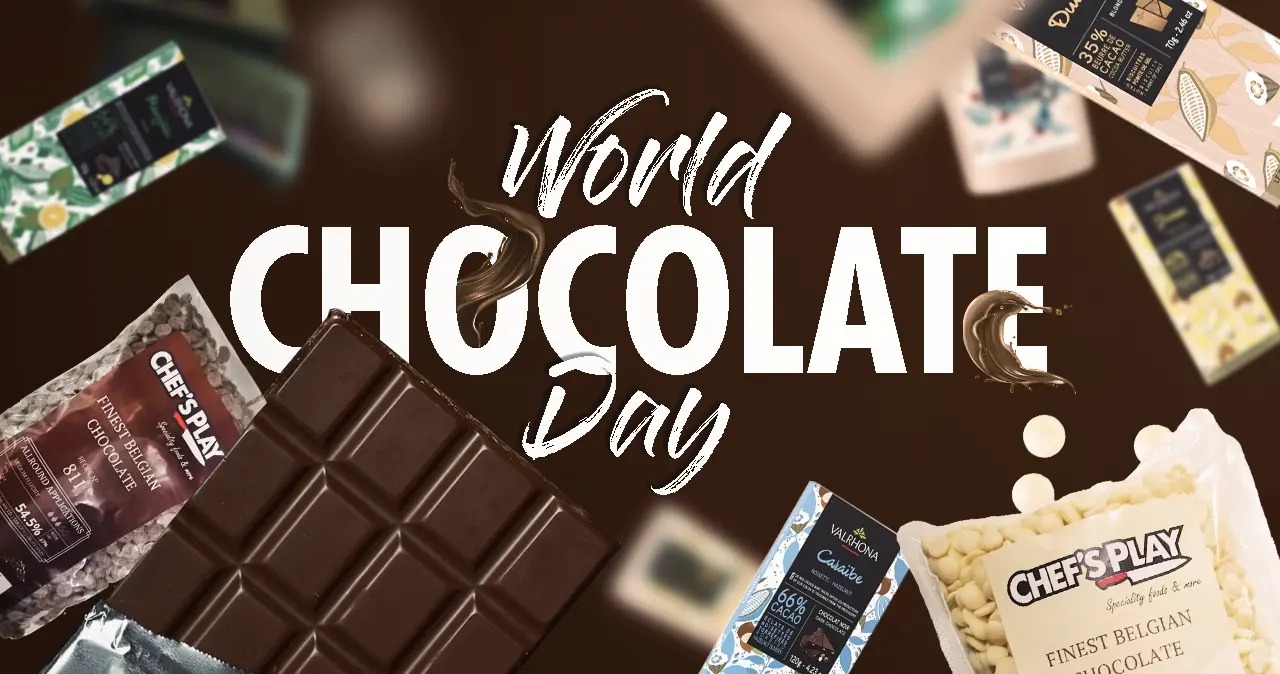
    As we celebrate World Chocolate Day on the 7th of July 2023, let us revel in the wondrous variety of chocolates available for baking. Each type brings its own unique characteristics, allowing you to create an array of flavors and textures in your sweet creations. Whether you are enticed by the deep intensity of dark chocolate, the creamy sweetness of milk chocolate, or the exquisite elegance of white chocolate, there is a perfect chocolate variety awaiting your next baking endeavor.

    So, as you embark on your baking journey, consider the type of chocolate that will best suit your recipe. Explore, experiment, and savor the world of chocolates, transforming ordinary desserts into extraordinary delights. With the right chocolate in hand, you will unlock a realm of possibilities, taking your baking skills to new heights of chocolaty perfection! Happy World Chocolate Day and happy baking!

  • Celebrate Father’s Day With The Perfect Gift For Dads

    Celebrate Father’s Day With The Perfect Gift For Dads

    Father’s Day is just around the corner, and if you have a dad who loves spending time in the kitchen, it’s time to show him some appreciation with a thoughtful and practical gift. Whether he’s a seasoned chef or an enthusiastic home cook, there are plenty of fantastic options to choose from that will enhance his culinary adventures. In this blog post, we’ll explore some great ideas for your father’s Day gifts for dad’s who love to cook.

    High Quality Chef’s Knife:
    A good chef’s knife is an essential tool for any cooking enthusiast. Consider gifting your dad a high-quality chef’s knife that will elevate his culinary skills. Look for a knife with a comfortable grip, a sharp blade, and excellent balance. A well-made knife will make chopping, slicing, and dicing a breeze and will be a gift your dad will appreciate for years to come. Additionally, don’t forget to get him a nice knife bag for convenient storage and protection of all his cherished knives.

    Sous-vide Precision Cooker:
    Elevate your dad’s culinary skills with a sous vide precision cooker. This game-changing device ensures perfectly cooked meats, fish, and veggies every time. Impress family and friends with restaurant-quality results at home. Don’t forget the essentials i.e. a vacuum machine and bags are an important tool whenever doing sous-vide cooking. Give the gift of precision and flavor this Father’s Day. Let him create gourmet meals with ease and precision, making him the envy of every home chef.

    Pizza Oven:
    Elevate your dad’s pizza-making game with a high-quality pizza oven of his choice. Whether it’s a wood-fired, gas-fired, or electric oven, there are endless affordable options now suitable for homes. Imagine the joy of your dad inviting loved ones to indulge in Italian-style pizzas with authentic flavors and irresistibly crispy crusts coming out of a wood fired pizza oven. The versatility of a pizza oven allows him to explore endless topping combinations and experiment with various dough recipes. This Father’s Day, unlock his culinary potential and let him reign as the ultimate pizzaiola in the neighborhood.

    Decanters and Glasses:
    Elevate Father’s Day celebrations with quality wine glasses, champagne flutes, and decanters. Experience the art of wine and champagne appreciation with exquisite craftsmanship. Enhance flavors and aromas with tailored glassware. From robust reds to delicate bubbles, find the perfect match. Add a touch of elegance to special occasions. Treat Dad to the luxury of premium glassware, allowing him to savor his favorite wines and champagnes. Cheers to unforgettable moments and the extraordinary father figure in your life.

    Gourmet Ingredients and/or Cheese:
    Surprise your dad with a gourmet ingredients hamper, curated by you to ignite his culinary creativity. Choose from a delightful array of options, including exotic spices, high-quality olive oils, specialty sauces, hot sauces, truffle or truffle-infused products and/or artisanal cheeses. These hand-picked gifts will tantalize his taste buds and provide him with new ingredients to experiment with in the kitchen. Fuel his passion for cooking and inspire him to create extraordinary dishes that will impress family and friends. Give the gift of gastronomic exploration this Father’s Day.

    Conclusion:
    This Father’s Day, honor your dad’s culinary passion with a gift that enhances his cooking journey and brings joy to his culinary adventures. Whether it’s a Japanese knife, sous-vide machine and/or gourmet ingredients to elevate his dishes, there’s an abundance of options on www.chefsplay.com to suit his unique taste and preferences. By selecting a thoughtful gift that aligns with his cooking interests, you not only show your appreciation but also inspire him to continue pursuing his love for gastronomy. Cheers to all the incredible cooking dads out there!

    Wishing you a Happy Father’s Day filled with delicious creations and culinary delights.

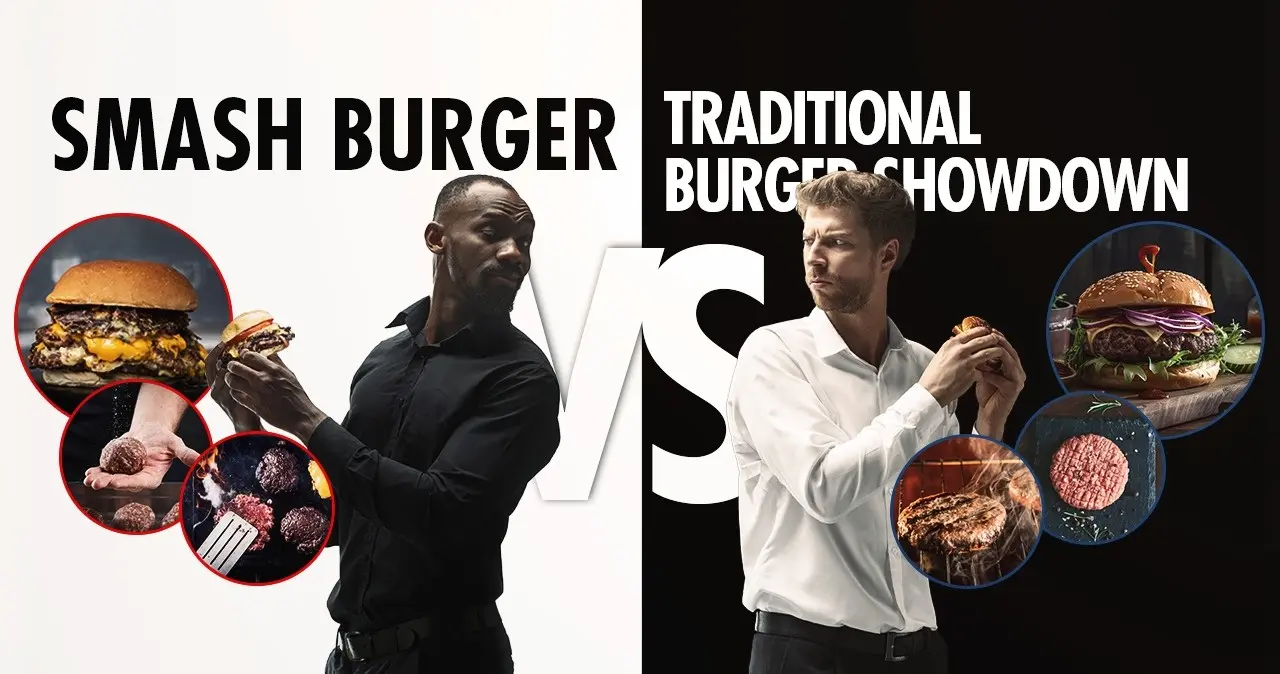
  • Clash of the Culinary Titans: Smash Burger vs. Traditional Burger Showdown!

    Clash of the Culinary Titans: Smash Burger vs. Traditional Burger Showdown!

    Welcome, food enthusiasts and epicurean adventurers, to the ultimate battle between two culinary heavyweights: the sizzling, juicy Smash Burger and the timeless, classic Traditional Burger. As chefs, we love exploring the world of flavors and textures, and today we embark on a delicious journey to determine which burger reigns supreme. Join us as we dissect the artistry and taste of both creations, unlocking the secrets behind their mouthwatering appeal.

    The Smash Burger: Culinary Innovation Unleashed
    The Smash Burger is a relatively recent phenomenon that has taken the culinary world by storm. With its simplicity and bold flavors, this burger showcases a unique technique that sets it apart. Here’s why it deserves a spot on your plate:

    • The Crispy, Caramelized Exterior: The essence of a good Smash Burger lies in its irresistibly crisp, golden-brown crust. By pressing the meat onto a hot griddle or skillet, the burger develops a heavenly char that adds depth and complexity to each bite.
    • Perfectly Juicy: Despite its thin patty, the Smash Burger is a masterclass in achieving juiciness. The rapid sear locks in the moisture, resulting in a tender, succulent burger that demands your attention.
    • Dynamic Toppings: The Smash Burger is a playground for creativity. Its thin profile allows for a harmonious blend of flavors with an array of toppings. From melted cheese and tangy pickles to spicy sauces and caramelized onions, the possibilities are endless.

    Traditional Burger: A Timeless Classic that Stands the Test of Time
    While the Smash Burger brings innovation to the table, the Traditional Burger represents the embodiment of culinary history. Here’s why this time-honored creation continues to captivate our taste buds:

    • The Perfect Meat-to-Bun Ratio: The Traditional Burger strikes a balance between the patty and the bun, ensuring every bite provides a harmonious blend of flavors. The generous thickness of the patty allows for a tender, meaty experience that complements the other ingredients.
    • Charcoal-Grilled Flavor: The Traditional Burger can capture the essence of outdoor grilling on an open flame which cannot be done with the Smash Burger as it defeats the purpose. With this type of cooking, the burger absorbs the smoky flavors of charcoal, enhancing the overall taste and adding an extra layer of authenticity.
    • Nostalgic Comfort: The Traditional Burger evokes a sense of nostalgia and familiarity. It reminds us of backyard cookouts, family gatherings, and the simplicity of enjoying a perfectly cooked burger.

    Chef Argument 1: Smash Burger is not as Juicy
    When it comes to juiciness, both the Smash Burger and the Traditional Burger can deliver exceptional results, but they achieve it in different ways.
    The Smash Burger, despite its thin patty, is known for its ability to retain moisture and provide a juicy eating experience. The quick sear and the pressing technique help lock in the natural juices, resulting in a tender and succulent burger. The intense heat and the caramelized crust contribute to the perception of juiciness, even though the patty itself may be thinner compared to a Traditional Burger.
    On the other hand, the Traditional Burger often features a thicker patty, which allows for more juiciness due to the larger amount of meat. The interplay between the fat content and the cooking method, especially when grilled over an open flame, helps preserve the juiciness within the patty. The natural fats and juices mingle during the cooking process, resulting in a flavorful and moist burger.
    Ultimately, the juiciness of a burger can depend on various factors, such as the quality of the meat, cooking technique, seasoning, and individual preferences. Both the Smash Burger and the Traditional Burger can provide a juicy experience, but the methods employed and the thickness of the patty may lead to a slightly different perception of juiciness.

    Chef Argument 2: Smash Burger is not as Meaty
    When it comes to the perception of meatiness, the Traditional Burger typically provides a more substantial and meat-centric experience compared to the Smash Burger.
    The Traditional Burger often features a thicker patty, which allows for a more pronounced meatiness. The larger volume of meat provides a satisfying mouthfeel and a robust flavor. The thickness allows the patty to retain its juiciness and tenderness while offering a substantial bite.
    On the other hand, the Smash Burger is known for its thinner patty. The focus of this style of burger is on the caramelized crust and the interplay of flavors from the searing process. While the Smash Burger still delivers a delicious meaty taste, the thinner patty may provide a slightly different perception of meatiness compared to a Traditional Burger.  This is where you can stack multiple smashed burgers patties together, to increase the overall meatiness of the burger but still get the crispy caramelized exterior.
    It’s important to note that the perceived meatiness can also be influenced by factors such as the quality and seasoning of the meat, the cooking technique, and the overall burger composition, including the bun and toppings. However, in terms of sheer meatiness and thickness of the patty, the Traditional Burger typically takes the lead.

    The Verdict: A Matter of Preference and Occasion
    In the realm of culinary creations, the Smash Burger and Traditional Burger bring their own unique flair to the table. Whether you crave the innovation and boldness of the Smash Burger or the timeless charm of the Traditional Burger, both are undoubtedly delicious and deserving of a place in your culinary repertoire. So gather all your ingredients including Martin’s Potato Rolls by clicking on www.chefsplay.com, fire up the grill or skillet, and embark on your own mouthwatering adventure.

  • The Tortilla Throwdown: Flour vs. Corn

    The Tortilla Throwdown: Flour vs. Corn

    Flour Tortillas: Soft and Versatile
    Originating from the northern regions of Mexico, flour tortillas have gained popularity for their soft and pliable texture. Their creation can be traced back to Spanish settlers who introduced wheat to the region. Flour tortillas quickly became a staple due to their adaptability in various dishes, both savory and sweet.

    With their neutral flavor and flexible nature, flour tortillas excel in accommodating a wide range of fillings. They are perfect for crafting delicious quesadillas, where melted cheese and flavorful ingredients meld together inside a warm tortilla embrace. For those with a sweet tooth, flour tortillas can be transformed into delightful treats like Nutella banana burritos, where creamy chocolate hazelnut spread and ripe bananas create a heavenly combination.

    Corn Tortillas: Traditional and Distinctive
    Corn tortillas, on the other hand, have a deep-rooted history dating back thousands of years to ancient Mesoamerican civilizations. Native peoples discovered the transformative power of maize, grinding it into a dough known as masa. This masa was then pressed into thin rounds, giving birth to the corn tortilla.

    Corn tortillas possess a unique flavor and a slightly denser texture compared to their flour counterparts. Their nutty, earthy taste pays homage to the rich agricultural traditions of Mexico. Corn tortillas shine brightest when paired with traditional Mexican dishes, such as tacos al pastor. These mouthwatering delights feature marinated pork, tangy pineapple, and aromatic cilantro, all nestled inside a warm corn tortilla. The combination of flavors and textures is a true fiesta for the taste buds.

    The Verdict:
    Choosing between flour and corn tortillas ultimately boils down to personal preference and the dish at hand. Flour tortillas offer versatility and a soft bite, making them ideal for a myriad of culinary creations. On the other hand, corn tortillas provide a taste of tradition, with their distinctive flavor enhancing the authenticity of Mexican dishes.

    So, let the Tortilla Throwdown commence, and may your taste buds savor every delightful bite! For all your Mexican goodies, including the finest flour and corn tortillas, embark on a culinary adventure at Chef’s Play. Discover a wide selection of tortillas and other Mexican treasures that will transport you to the heart of Mexico’s vibrant culinary culture.

    Unleash your creativity in the kitchen, honor the traditions, and let the tortillas be the canvas for your gastronomic masterpiece. Happy cooking and buén provecho!

  • Non-Alcoholic Cocktail Menu

    Non-Alcoholic Cocktail Menu

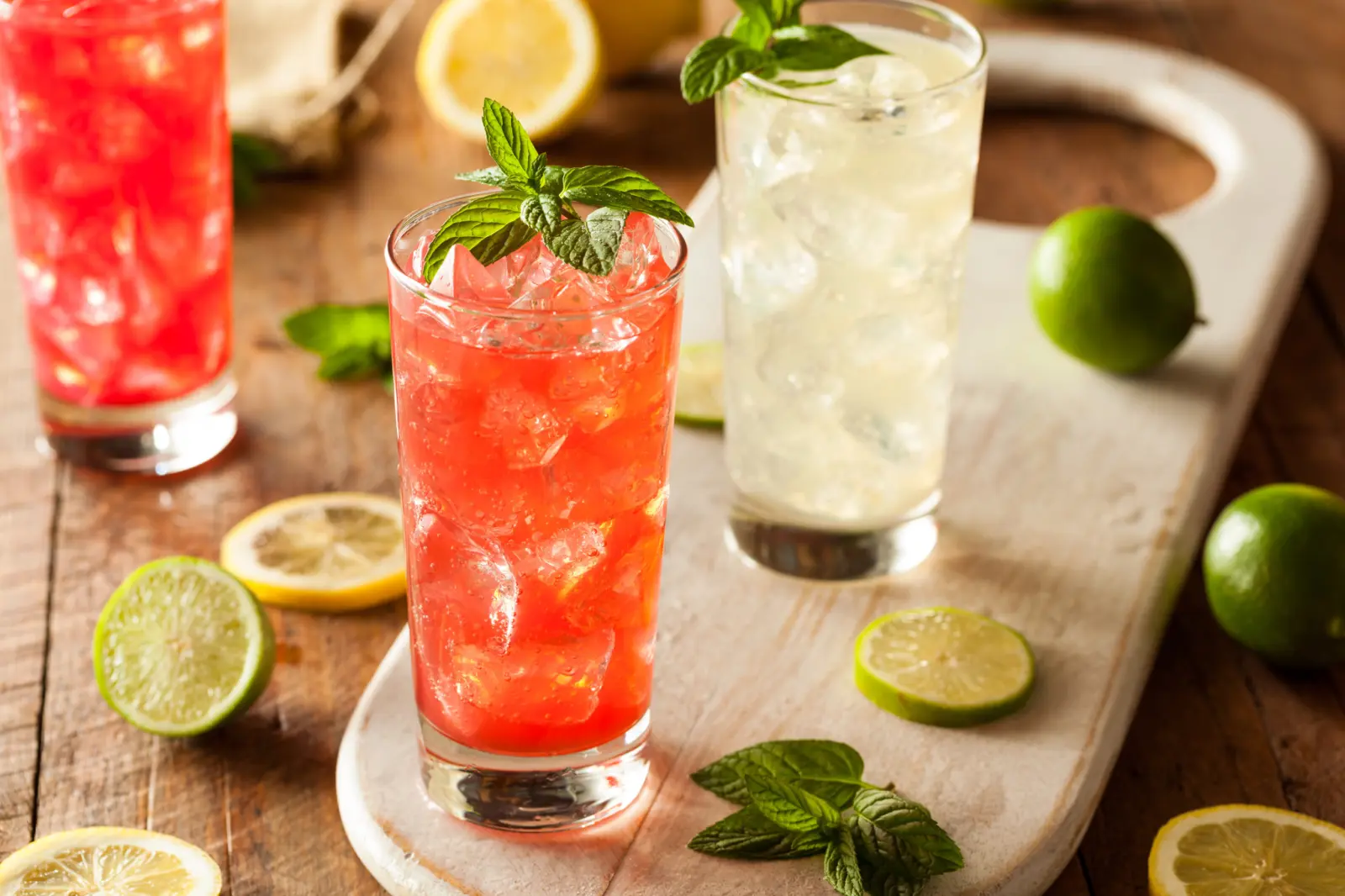
    When the summer comes around, there’s nothing better than enjoying the warmth, in the shade, with a cool refreshing drink. And what better to tingle those tastebuds than a non-alcoholic cocktail, or a mocktail as they are affectionately known.

    ChefsPlay is committed to finding the highest quality ingredients and kitchen equipment from around the world. All available, in one place and just a click away from being delivered to your door.

    In our beverage section, you’ll find a wonderous selection of non-alcoholic substitutes, and plenty of mixers as well as mineral waters, torani syrup and civets ciffee. You could of course add a tipple for any guests wanting something a little stronger, but when it comes to the fruity and fizzy ingredients, we have all you need.

    For the adventurous, you could also check our frozen fruit specialities, to add a little extra to your refreshment. For now though, let’s taka a look at our non-alcoholic cocktail recommendations.

    Tom Collins
    A simple, refreshing and light number, the Tom Collins can be made with just three ingredients. Using 1 part of our non-alcoholic gin, 2 part club soda and 1 part simple syrup (water/sugar mix), pour over ice in a tall glass. Garnish with a slice of lemon or a cherry.

    Whiskey Lemonade
    If you prefer something a little darker and malty, why not check our zero-alcohol whiskey? For a cooling, fresh summer cocktail, try mixing it with some lemonade and some fresh rosemary in a medium sized tumbler. Add a couple of rocks of ice, stir and enjoy.

    Orange-Mango Crush
    Taking it tropical, is the orange-mango crush. Add to a tall glass some ice, half a can of orange San Pellegrino, into this drop 2 scoops of frozen lime puree and top with mango & apple juice blend. This tangy and tropical number will have your mouth watering in no time.

    For the Simple Life
    If you prefer an easier life, you could always opt for our Master of Mixes range. These pre-blended mocktails come in a wide variety of refreshing flavours with Mango Daquiri, Pina Colada, Mojito and more.
    Simply pop some ice in a glass and pour. If you’d like to add a little extra, check in with our frozen fresh fruits and add a little more substance.

    Looking for something to serve all these fantastic cocktails in? We have a wide range of glassware perfect for serving up party drinks. You’ll find tumblers, tall glasses, wine glasses and cocktail jugs, all in the glassware section of our site.


  • The Home Cinema Experience: Popcorn on Tap

    The Home Cinema Experience: Popcorn on Tap

    Humans have been popping corn for thousands of years. Corn was first domesticated somewhere around Mexico around 10,000 years ago. Our first evidence of it being ‘popped’, however, was found in Peru and dated back to 4,700BC.

    Whilst we have always popped corn, it wasn’t really popularised until the late 1800s, when a Charles Cretor invented the popcorn maker. Loading the machines onto carts, by the turn of the century popcorn was being sold in streets all over the US.

    (Pro tip: As a kitchen supply store, you can also buy popcorn machines from us).

    The infatuation of corn in theatres arrived somewhere around 1930. Initially, theatre owners were displeased with the crispy, light snack, believing it distracted from the performances. Then one plucky individual introduced the machines to the lobbies, and the popcorn began making more profit that the ticket sales.

    Popcorn at Home
    Bringing that cinema experience to your home requires more than just a large screen TV and dimmed lights. To really complete the setup, you’re going to need a block buster movie, and someone on standby to hush anyone talking during the screening.

    You’re also going to need a lot of popcorn. The benefit to having the cinema experience at home, is you get to enjoy the popcorn during the film, rather than the adverts at the start.

    If you do run out, grab some more.

    Popcorn comes in a wide variety of flavours, and at Chef’s Play, we’ve sourced as many as we can. You can order our bags of our freshly popped, flavoured corn, or some kernels and a popcorn machine from our home wares section, to really enjoy that fresh, still warm goodness.

    The freshly popped, flavoured gourmet popcorn comes in family sized bags which hold around 4 servings. Some of our more bizarre flavours include: –

    Wasabi – flavoured with the legendary Japanese horseradish, Wasabi is a spicy, mustardy flavour and one for the adventurous.

    Cheddar Cheese and Cheetos – fans of the cheesy maize snack, Cheetos, need to try this savoury delight. Packing a cheesy punch, these little puffed up corns of delight are incredibly moreish.

    Pizza – yes, you read that correctly. We have pizza flavoured popcorn. Our next trick is to develop a popcorn flavoured pizza (we probably won’t).

    Dill Pickle – somebody stop us. No, seriously. Our popcorn popping department has spiralled out of control and there is some kind of mad scientist at the helm. It’s an acquired taste, but a popular flavour.

    Maple Glaze – made using Maple Syrup, this Canadian influenced popcorn is a sweet, smoky and sticky treat perfect for watching the films of Mike Myers, Jim Carey or Rachel McAdams.

    As well as the weird and wonderful, you can also buy the traditional and usual flavours. We also sell all our freshly popped popcorn in vac sealed, longer lasting tubs.

    To see the full range, visit our home cinema collection by following this link. You’ll find all sorts of other cinema related goodies such as cotton candy, nachos, dips and more.

  • 5 Tasty Recipes Using Tortillas

    5 Tasty Recipes Using Tortillas

    The tortilla is of Mesoamerican origin and is a staple of modern Mexican and Tex-Mex cuisine. Made with flour, water and salt, the soft round flatbread is light, tasty and versatile. Some of Mexico’s most popular edible exports are made with the tortilla, as we will discover.

    Using a range of ingredients, you can create various styles of wraps, bakes, open sandwiches or even pizzas with the tortilla. There are also different varieties and flavours of tortilla to choose from with the traditional coming in corn and flour-based or for the exotic look, even tomato, spinach or beetroot!

    To celebrate this versatile flatbread, we thought we would share some of our favourite recipes, which all start with a tortilla.

    The Burrito
    Probably the most popular dish made using the tortilla, the burrito is filled with an array of rice, beans, cheese, vegetables, meats and sauces. Most commonly, a combination of rice, ground beef, cheese, guacamole, kidney beans, herbs and spices, are wrapped in a warm tortilla.

    You can find a recipe for quick and simple burritos by clicking here.

    Tortilla Hack
    After trending on social network site TikTok, the tortilla hack has become quite the hit. By cutting a line in the tortilla, from the edge to the centre, you can create four pockets which can be filled with any number of ingredients. Laying the flatbread down, you place your desired ingredients into each quarter of the wrap, then fold into pockets.

    Click here for an easy to follow set of instructions.  

    Soft Shell Tacos
    A warning, these can be messy. The soft-shell taco uses a smaller tortilla, and works kind of like an open burrito. Gifted the same versatility with ingredients, you can fill your tacos with whatever takes your fancy.

    Here’s a detailed guide to soft shell tacos.

    The Wrap
    Much like a sandwich, and a little like a burrito, the wrap is a popular creation using tortillas. Filling the top middle of the flatbread with your choice of filling, fold the bottom up to half it, then one side over, and roll from the other. This open top, cold burrito style snack is perfect for lunch time.

    Click this link to see some tortilla wrap ideas.

    Enchiladas
    These oven baked delights can be made to feed as many people as can eat out of your biggest oven dish. Filling tortillas with ground beef, chicken or other meats combined with a tomato-based sauce, and rolling, place line up as many as are required in your oven dish. Smother them with a savoury sauce and cover with cheese, then bake before serving with some soured cream.

    Check this Tex-Mex chicken enchilada recipe out!

    At Chef’s Play we have a whole section dedicated to Mexican cuisine, where you’ll find tortillas, sauces, peppers, presses and more. Click here to see the range!

  • Only the Brave – Hot Sauces Rise in Popularity

    Only the Brave – Hot Sauces Rise in Popularity

    The hot sauce industry has exploded in recent years! Not due to the intense heat, but because of the intense demand for heat in our food. To put it into perspective, the US industry alone is worth a whopping $1 billion.

    Spurred by the competition to grow increasingly hotter chillies, the temperature which some of these sauces reach is astronomical. With the chillies come the sauces, and with the sauces come the challenges. In eateries all over the world, you can find ridiculous challenges put up inviting the hot heads to make their mark, demolishing chicken wings, ribs and burgers smothered with incredibly hot sauces.

    The Scoville Scale

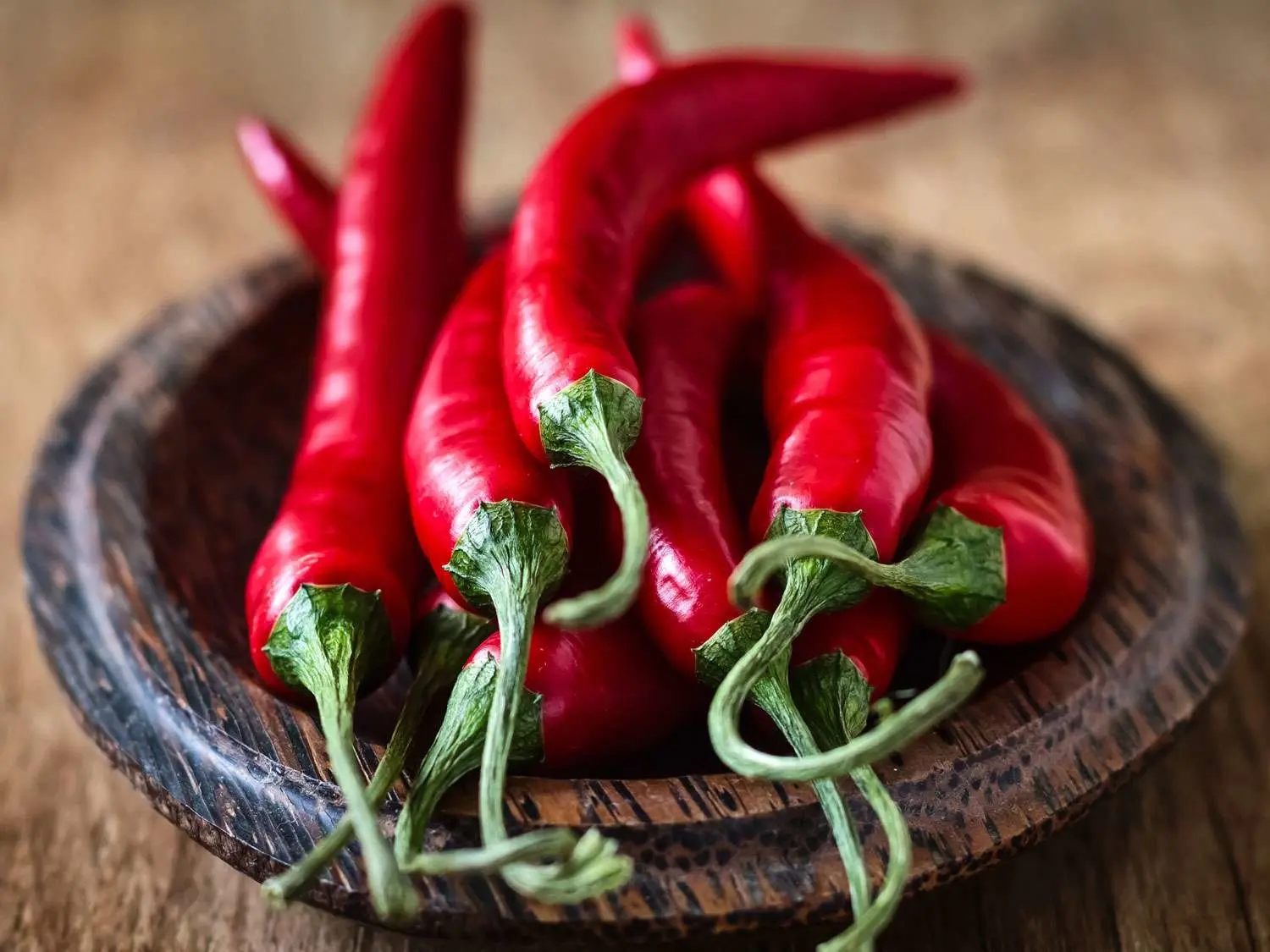
    The heat of both peppers and sauces are measured using the Scoville Scale (SHU or, Scoville Heat Unit). The scale registers heat from 100 Scoville or less, to over 3 million. The hottest pepper on record to date, is the Carolina Reaper, which registers at 2.2 million Scoville.

    Sauces and Extracts

    As well as sauces and peppers, you can also buy chilli extract. These concentrated liquids from hell reach as high as 16 million Scoville at present, although there’s always someone traying to make it hotter.

    Extracts are used to create the hot sauces. Just a tiny drop in any sauce of the pure capsaicin crystals, added to a sauce can create insane levels of heat. With extract available quite readily, making your own mind-blowing hot sauces has become a fairly straight forward process.

    Making your Own Sauces

    Making your own sauce is great fun, and really simple. With just a few ingredients, chillies, salt, water, garlic, onion and perhaps tomato, roughly chopped, blitz the mixture in a food processor and then leave to ferment for 24-hours in a glass jar covered with cheese cloth.

    After 24-hours, stir in some vinegar, cover again with the cheese cloth and leave to further ferment of at least a week. You can leave this for up to 3 months and the flavour will only increase.

    Once the mixture is ready, you can add it to any number of fruits or vegetables to create your own hot sauce, to your own taste. It’s all about fun and experimentation. With different ingredients and seasonings you can make a huge variety of flavours and heat. If you want a little extra heat, why not add some extract?

    For a more detailed recipe, check this link.

    Our Hot Sauces

    Whilst we’re not concealing anything considered to be even remotely lethal, we do have some real flavoursome sauces in stock. Our El Yucateco is a blend of fresh green habaneros, garlic and fine spices, coming together to create a tangy, spicy and delicious condiment.

    Need to make some kicking buffalo wings? We also stock the original and best buffalo sauce, Frank’s Hot Sauce, which you can find here.

    You can check our full range through this link.