Free delivery on orders of AED 300 and above

Same-day delivery in Dubai on selected items

Call 800-CHEFSPLAY

Category: For the love of food

  • World pasta day; Special Pasta recipe with chef’s play ingredients

    World pasta day; Special Pasta recipe with chef’s play ingredients

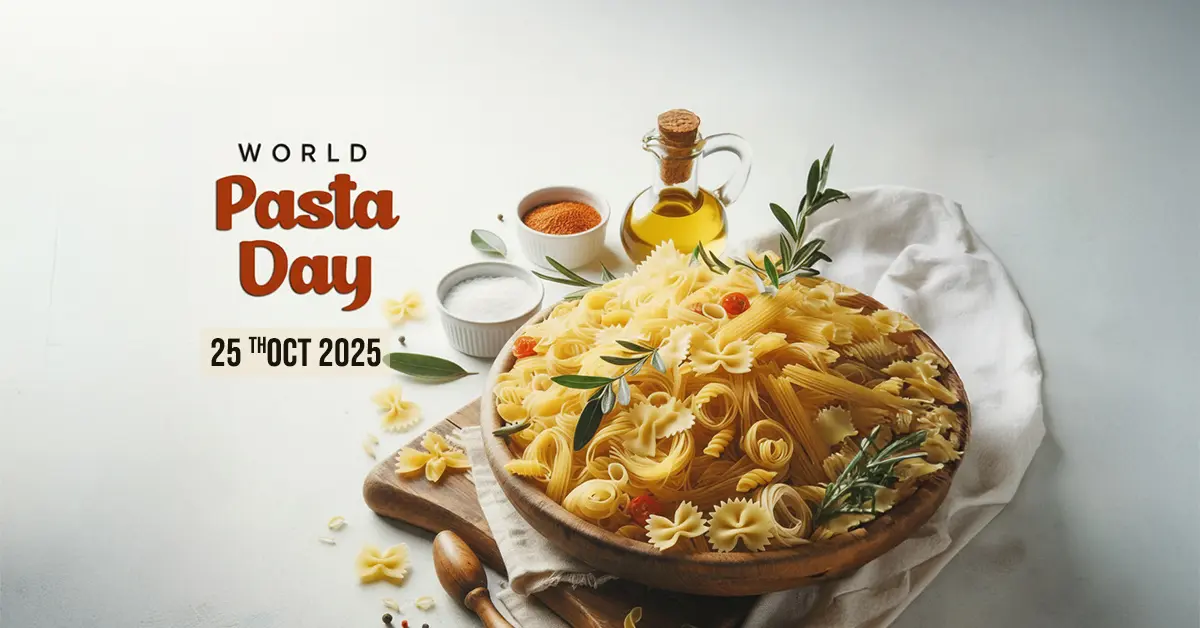
    World Pasta Day: From Ancient Strings to Modern Plates

    A fun, story-led celebration of pasta’s winding journey: from 4,000‑year‑old noodles to your dinner table, plus one timeless recipe you can master tonight

    Few foods have crossed borders, cultures, and centuries as gracefully as pasta. It’s universal, comforting, and endlessly adaptable, whether it’s being twirled on silver forks in Milan or served steaming hot on a dinner table in Dubai. But where did this timeless comfort food actually begin?

    A Dish Older Than History Itself

    Contrary to popular belief, pasta wasn’t “invented” in Italy, at least not in the way we think of it today. The earliest versions of pasta-like dishes date back over 4,000 years to ancient China, where archaeologists found strands of millet noodles preserved in clay pots.

     Fast forward to the 13th century, the story takes a romantic twist. Legend has it that Marco Polo, after returning from his travels in China, introduced pasta to Italy. While historians argue over whether this tale is fact or folklore, one thing is certain: Italians perfected it.

    During the Middle Ages and Renaissance, dried durum-wheat pasta became a durable, travel‑friendly staple. The arrival of New World tomatoes in the 16th century changed everything; by the 18th and 19th centuries, pasta with tomato became a cultural icon. From Naples to Sicily, shapes multiplied, sauces regionalized, and pasta grew from humble fare to national pride.

    Pasta in the Modern Kitchen

    Today, pasta is a global obsession, loved from Naples to the UAE. In the GCC, it is no longer just an imported treat, it is a symbol of comfort, family, and togetherness. Whether it is a truffle-laced tagliatelle or a simple bowl of spaghetti aglio e olio, pasta always brings people closer.

    So, in honor of World Pasta Day, let’s time travel back to the dish that started it all, a classic that celebrates pasta’s rich journey from ancient dough to modern delight.

    The Timeless Classic: Spaghetti Aglio e Olio

    Sometimes the simplest dishes carry the most history. Aglio e Olio, translates to garlic and oil, dates back to the early days of southern Italy, where humble ingredients had to create big flavors. It’s quick, honest, and impossibly satisfying.

    Ingredients:

    • 300g spaghetti
    • 60ml extra virgin olive oil
    • 4 cloves garlic, thinly sliced
    • 1 tsp red chili flakes
    • Fresh parsley, chopped
    • Grated Parmesan (optional)
    • Salt, to taste

    Step-by-Step Instructions:

    1. Cook spaghetti in salted boiling water until al dente (check box instructions). Save a cup of the pasta water.
    2. In a large pan, heat olive oil over a low flame. Add garlic and cook gently until golden – not brown.
    3. Add chili flakes and a splash of pasta water to create a light emulsion.
    4. Toss in the pasta and mix until the sauce coats each strand perfectly.
    5. Finish with chopped parsley and Parmesan if desired.
    6. Add salt to taste.

    Chef’s Play Tip: For a richer twist, add a touch of truffle oil or anchovy paste (both available on www.chefsplay.com)

    The Legacy Continues

    From ancient Chinese noodles to modern Italian feasts, pasta has survived wars, empires, and food trends: always evolving, never fading. Its magic lies in its simplicity: just flour, water, and imagination.

    So this World Pasta Day, roll up your sleeves, twirl your fork, and remember, you’re not just cooking dinner. You’re part of a story that’s been simmering for centuries.

    Explore premium pasta, oils, and sauces at www.chefsplay.com and celebrate history, one bite at a time.

  • Delicious Valentine’s Day Recipes to Try at Home

    Delicious Valentine’s Day Recipes to Try at Home


    Valentine’s Day is a celebration of love, and what better way to express your affection than through food? Dubai and the UAE have a rich culture of culinary indulgence, from luxurious chocolate desserts to fine pastries infused with gourmet ingredients. This Valentine’s Day, bring the romance of fine dining into your home with these three exquisite recipes: Decadent Chocolate Lava Cake, Pistachio & White Chocolate Mousse, and Gourmet Truffle Croissants. Whether you’re planning a romantic dinner or a cozy breakfast in bed, these dishes will make your celebration unforgettable.

    Decadent Chocolate Lava Cake

    Chocolate desserts hold a special place in the hearts of dessert lovers in Dubai and the UAE, where premium-quality ingredients are highly valued. Dubai’s thriving café culture and love for gourmet desserts make lava cake a popular choice in fine-dining restaurants and luxury hotels. With this recipe, you can bring that indulgence into your home.

    Ingredients:

    • 100g dark chocolate (70% cocoa) – Available on Chef’s Play
    • 100g unsalted butter
    • 2 eggs
    • 2 egg yolks
    • 80g caster sugar
    • 40g all-purpose flour
    • 1 tsp vanilla extract – Available on Chef’s Play
    • A pinch of salt
    • Butter and cocoa powder for greasing ramekins

    Instructions:

    1. Preheat oven to 200°C (392°F). Grease ramekins with butter and dust with cocoa powder.
    2. Melt dark chocolate and butter over a double boiler or microwave in short intervals, stirring until smooth.
    3. In a bowl, whisk eggs, egg yolks, and sugar until pale and slightly thickened.
    4. Fold in the melted chocolate mixture. Add vanilla extract and salt. Sift in flour and fold gently.
    5. Divide batter evenly between ramekins and bake for 10–12 minutes.
    6. Let cakes sit for 1 minute, then invert onto plates. Serve with Chef’s Play’s sugar-free ice cream, fresh berries, or powdered sugar.

    Pistachio and White Chocolate Mousse

    Pistachios have deep cultural significance in the Middle East, especially in the UAE, where they are used in various desserts. This mousse combines the richness of pistachios with the creamy sweetness of white chocolate.

    Ingredients:

    Instructions:

    1. Melt white chocolate over a double boiler and mix in pistachio paste.
    2. Whip heavy cream, honey, and vanilla extract until soft peaks form.
    3. Gently fold the whipped cream into the chocolate-pistachio mixture.
    4. Divide into serving glasses and chill for at least 2 hours.
    5. Garnish with crushed pistachios before serving.

    Gourmet Truffle Croissants

    Dubai is known for its love of fine dining and gourmet ingredients, and truffles are often featured in luxury dishes. These Gourmet Truffle Croissants bring that high-end experience into your home.

    Ingredients:

    • 4 croissants – Available on Chef’s Play
    • 100g cream cheese – Available on Chef’s Play
    • 1 tbsp truffle paste – Available on Chef’s Play
    • 1 tbsp honey – Available on Chef’s Play
    • Fresh thyme for garnish

    Instructions:

    1. Slice croissants in half and lightly toast them.
    2. Mix cream cheese, truffle paste, and honey in a bowl until smooth.
    3. Spread the truffle filling inside the croissants.
    4. Garnish with fresh thyme and serve immediately.

    Celebrate with Chef’s Play

    This Valentine’s Day, let gourmet ingredients transform your celebration. Whether you’re indulging in rich chocolate, silky pistachio mousse, or decadent truffle croissants, Chef’s Play has all the premium ingredients you need.

    Visit www.chefsplay.com to shop our premium selection of chocolates, pistachio paste, and truffle products today!

  • The Chocolate Chip

    The Chocolate Chip

    At Chef’s Play, we pride ourselves on offering the highest quality chocolate chips, perfect for creating the best cookies. But have you ever wondered where the chocolate chip originated?

    How did this tiny morsel become such an essential ingredient in baking? Let’s dive into the rich history of the chocolate chip.

    The Birth of the Chocolate Chip
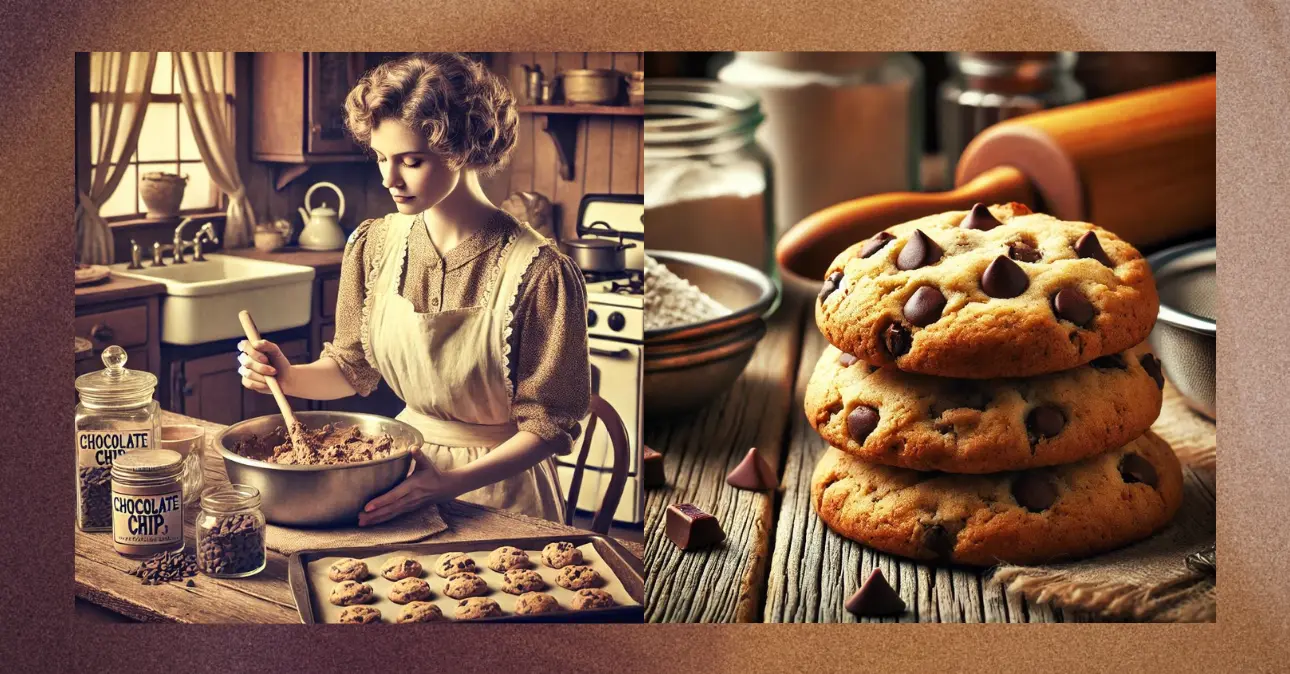
    The story of the chocolate chip begins in the 1930s with an American baker named Ruth Wakefield. Ruth and her husband owned the Toll House Inn in Whitman, Massachusetts, where she would bake treats for the guests. One day, while making a batch of Butter Drop Do cookies, she decided to chop up a Nestlé semi-sweet chocolate bar and add it to the dough.

    To her surprise, instead of melting completely, the chocolate pieces held their shape, creating pockets of gooey, melted chocolate within the cookie. This delicious accident led to the creation of the first-ever chocolate chip cookie, which quickly became a hit among her guests.

    The Toll House Cookie and the Rise of Chocolate Chips
    Ruth’s cookie recipe became so popular that it was published in a Boston newspaper, and soon people everywhere were making “Toll House Cookies.” The recipe even caught the attention of Nestlé, who struck a deal with Ruth Wakefield to print her recipe on their chocolate bar wrappers. In exchange, Ruth received a lifetime supply of Nestlé chocolate.

    Recognizing the growing demand for this new type of cookie, Nestlé began producing small, ready-to-use chocolate pieces specifically for baking. Thus, the chocolate chip as we know it today was born. These morsels were an instant success and have remained a staple in kitchens around the world ever since.

    The Original Toll House Chocolate Chip Cookie Recipe
    For those who want to experience the original, here’s Ruth Wakefield’s classic Toll House cookie recipe: 

    Ingredients:

    • 2 1/4 cups all-purpose flour
    • 1 teaspoon baking soda
    • 1 teaspoon salt
    • 1 cup (2 sticks) butter, softened
    • 3/4 cup granulated sugar
    • 3/4 cup packed brown sugar
    • 1 teaspoon vanilla extract
    • 2 large eggs
    • 2 cups (12-ounce package) Nestlé Toll House Semi-Sweet Chocolate Morsels
    • 1 cup chopped nuts (optional)

    Instructions:

    1. Preheat your oven to 375°F (190°C).
    2. In a small bowl, combine flour, baking soda, and salt; set aside.
    3. In a large mixing bowl, beat butter, granulated sugar, brown sugar, and vanilla extract until creamy.
    4. Add the eggs one at a time, beating well after each addition.
    5. Gradually beat in the flour mixture until well combined.
    6. Stir in the chocolate morsels and nuts (if using).
    7. Drop by rounded tablespoon onto ungreased baking sheets.
    8. Bake in the preheated oven for 9 to 11 minutes or until golden brown.
    9. Let cool on baking sheets for a few minutes before transferring to wire racks to cool
      completely. 


    Why Chocolate Chips Are Essential for Baking
    Chocolate chips are more than just a delicious addition to cookies—they’re a versatile ingredient with a unique structure that makes them ideal for baking. Unlike regular chocolate bars, chocolate chips are designed to hold their shape when exposed to heat, thanks to a lower cocoa butter content. This allows them to create those perfect, melty pockets of chocolate that everyone loves in a cookie.

    Beyond cookies, chocolate chips are used in a wide range of desserts, from brownies to muffins, and even as toppings for ice cream and pancakes. Their convenient size and consistent quality make them a go-to choice for both professional bakers and home cooks alike.

    Our Commitment to Quality
    At Chef’s Play, we started with a simple mission: to provide high-quality chocolate chips that would help bakers create the best possible cookies. Our selection of Callebaut chocolate chips is crafted from the finest ingredients, ensuring a rich, indulgent flavor in every bite.

    Whether you’re baking for a special occasion or just indulging in a homemade treat, our chocolate chips are designed to elevate your creations. Explore our range of chocolate chips here, and bring a piece of history to your baking. 

    Conclusion
    The chocolate chip may be small, but its impact on the world of baking is anything but. From its humble beginnings in a small Massachusetts kitchen to becoming a global baking essential, the chocolate chip has earned its place in culinary history. While we missed celebrating National Chocolate Chip Cookie Day on August 4th, it’s never too late to honor this iconic ingredient.

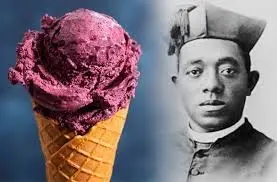
  • Augustus Jackson: The Trailblazing Innovator Who Sweetened History

    Augustus Jackson: The Trailblazing Innovator Who Sweetened History

    Welcome to Ice Cream Month, a time dedicated to indulging in one of the world’s most beloved desserts. At Chef’s Play, we’re excited to take you on a delicious journey through the origins of ice cream and shine a spotlight on the remarkable contributions of Augustus Jackson, the “father of ice cream.”

    The Sweet Beginnings: Origins of Ice Cream

    Ice cream’s history is a rich tapestry woven with cultural influences and centuries-old traditions. The earliest forms of ice cream can be traced back to ancient China around 200 BC, where a mixture of milk and rice was packed in snow to create a refreshing treat. Meanwhile, in the Persian Empire, “sharbat” was created using fruit juices mixed with snow, a precursor to modern sorbets.

    However, it was in Europe during the Renaissance that ice cream began to take the form we recognize today. Italian chefs and confectioners were particularly known for their frozen desserts, and by the 17th century, ice cream had become popular in France. The invention of the ice cream churn in the 19th century by American Nancy Johnson further revolutionized the production of this delightful dessert.

    Augustus Jackson: The Pioneer of Modern Ice Cream

    While many contributed to the evolution of ice cream, Augustus Jackson stands out for his significant impact on its production and popularization in the United States. Born in 1808, Jackson worked as a chef in the White House during the 1820s. His passion for culinary arts led him to experiment with ice cream recipes, and eventually, he moved to Philadelphia, where he began creating and selling his innovative ice cream.

    Jackson’s contributions to the ice cream industry were groundbreaking. He developed new techniques and recipes, including the use of salt to lower the freezing point of the ice, which allowed for a smoother and creamier texture. His method of manually stirring the ice cream mixture while it froze became a cornerstone of modern ice cream making.

    Despite facing the challenges of his time as an African American entrepreneur, Jackson’s business thrived. He sold his ice cream to parlors in Philadelphia, making it widely accessible and setting the stage for the commercial ice cream industry.

    Celebrating Ice Cream Month with Chef’s Play

    As we celebrate Ice Cream Month, let’s honor the rich history and contributions of pioneers like Augustus Jackson. Here are a few ways to make the most of this sweet month:

    1. Create Your Own Ice Cream: Experiment with homemade recipes and try out different flavors. Use fresh, high-quality ingredients to achieve the best results.
    2. Host an Ice Cream Social: Gather friends and family for a fun ice cream party. Offer a variety of toppings and let everyone create their custom sundaes.
    3. Explore New Flavors: Step out of your comfort zone and taste unique and exotic ice cream flavors. From matcha green tea to lavender honey, the possibilities are endless.

    Please visit Chef’s Play to celebrate Ice Cream Month with us! Delight in our crispy cones and premium soft serve ice cream powder for the ultimate treats. Check out our state-of-the-art ice cream machines that make it easy to whip up creamy, delicious desserts. Elevate your summer with the best in ice cream making.

    Mark your calendars for National Ice Cream Day, and let’s honor Augustus Jackson, the man who revolutionized ice cream. This July, let every day be a sweet celebration with Chef’s Play!

    Visit Chef’s Play for more culinary inspirations and to explore our range of products that will make your ice cream creations unforgettable.

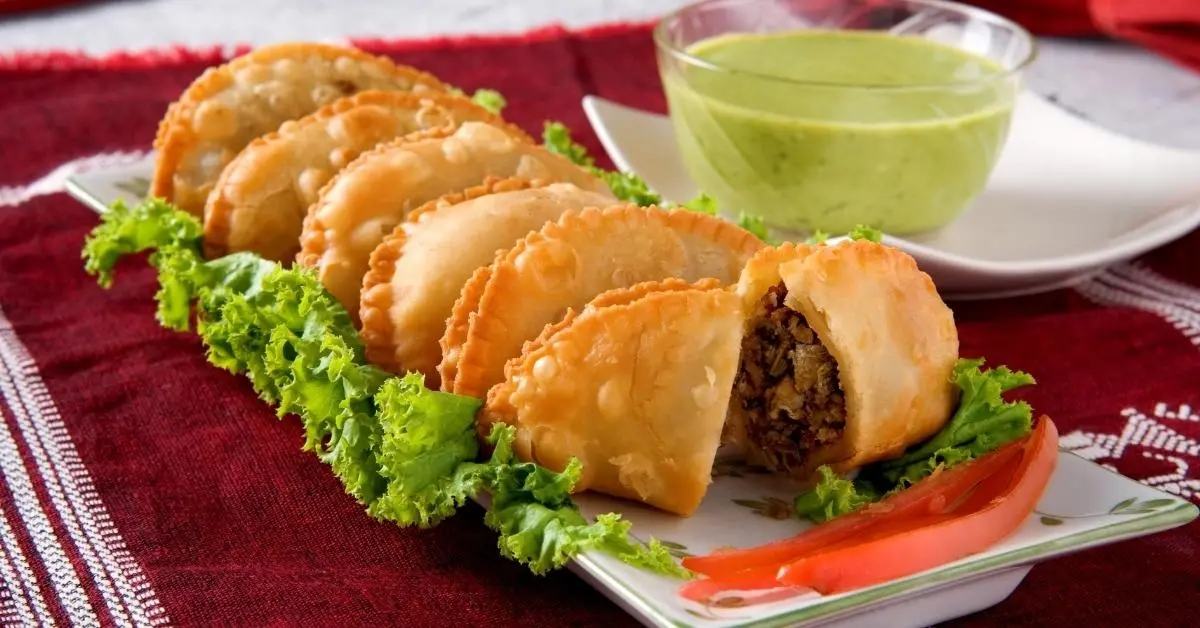
  • Exploring Samosas, Empanadas, and Sombousek: A Culinary Journey Through Time

    Exploring Samosas, Empanadas, and Sombousek: A Culinary Journey Through Time

    In the realm of global cuisine, certain dishes transcend borders and captivate the taste buds of people across continents. Samosas, empanadas, and sombousek are prime examples of such culinary delights. These savory pastries have become beloved staples in various cultures, each with its unique history and flavor profile. But which among them came first? Let’s embark on a flavorful journey to uncover the origins of these delectable treats.

    Samosas: A Taste of India
    Traveling eastward, we encounter another beloved pastry: the samosa. With its origins deeply rooted in the Indian subcontinent, the samosa has a history as rich and diverse as the land from which it hails. This triangular-shaped pastry is typically filled with spiced potatoes, peas, and sometimes minced meat, all encased in a crispy, golden-brown shell.
    The history of samosas can be traced back to the Middle Ages, where they were mentioned in Persian literature as “sambosa.” From Persia, the samosa made its way to the Indian subcontinent, where it underwent further evolution and adaptation. Samosas quickly became a popular street food and a staple at festive occasions such as weddings and celebrations.

    Empanadas: The Spanish Classic
    Originating from Spain, empanadas have a rich history dating back centuries. The name “empanada” is derived from the Spanish verb “empanar,” which means “to wrap in bread.” These delightful pastries are typically made by folding dough over a filling, which can range from savory to sweet. The fillings often feature meats, cheeses, vegetables, or fruits, seasoned with herbs and spices.
    Empanadas gained popularity during the Middle Ages in Spain, where they were commonly consumed by travelers and soldiers due to their portability and long shelf life. As Spanish explorers sailed to the New World, they brought empanadas with them, introducing this culinary gem to Latin America. Today, empanadas are enjoyed in various forms across Spanish-speaking countries, each region adding its own twist to the traditional recipe.

    Sombousek: The Middle Eastern Delicacy
    Venturing into the Middle East, we encounter sombousek, a delightful pastry that shares similarities with both empanadas and samosas. Sombousek, also known as sambousek or sambusa, is a crescent-shaped pastry filled with a savory mixture, often featuring minced meat, cheese, or vegetables, seasoned with aromatic spices.
    The exact origins of sombousek are a subject of debate, with some tracing Its roots back to ancient Persia, while others attribute its creation to the Arab world. Regardless of its precise origin, sombousek has become a beloved dish throughout the Middle East, enjoyed as an appetizer or snack.

    Determining the Oldest
    While it’s challenging to pinpoint the absolute oldest among samosas, empanadas and sombousek, historical records and available evidence suggest that samosas may be the oldest. Samosas trace their roots back to the Middle Ages, with mentions in Persian literature as early as the 9th century. This long history suggests that samosas have been enjoyed for over a millennium, making them potentially the oldest among the three.

    Conclusion
    As we’ve journeyed through the culinary histories of samosas, empanadas, and sombousek, it becomes clear that these savory pastries have deep cultural significance and global appeal. While samosas may have the longest documented history, all three dishes have captivated the palates of people across different regions for centuries. Whether you’re indulging in the spicy filling of a samosa, savoring the flaky crust of an empanada or relishing the aromatic flavors of a sombousek, one thing is certain – you’re experiencing a taste of culinary history.

    For more your fix on samosas, empanadas and/or sombouseks, please visit ChefsPlay.com.

  • Popping Through History: The Fascinating Origins of Popcorn

    Popping Through History: The Fascinating Origins of Popcorn

    Here at Chef’s Play we love to explore the rich history and origins of beloved culinary delights. Today, let’s embark on a crunchy journey through time to uncover the fascinating story behind everyone’s favorite movie-night snack – popcorn.

    The Ancient Roots
    Popcorn has been a cherished treat for centuries, with its origins dating back to ancient times. Archaeologists have found evidence of popcorn in ancient Peruvian tombs, suggesting that this popped delight was enjoyed as early as 4700 B.C. The indigenous people of the Americas, including the Aztecs and the Native American tribes, were among the first to discover and cultivate the unique corn variety that pops when heated.

    Native American Popcorn Traditions
    Centuries before the arrival of European settlers, Native Americans were enjoying popcorn in various forms. They used a method called “parching”, where they would heat sand in a fire and then mix it with corn kernels, causing them to pop. Popcorn held cultural significance for many tribes and was often used in ceremonies, as decorations, and as a symbol of hospitality.

    Popcorn Pops onto the Scene
    As European explorers and settlers encountered Native American traditions, they too embraced popcorn. By the 19th century, popcorn had become a popular snack at fairs, carnivals, and circuses, where vendors would sell bags of freshly popped corn to eager crowds. Street vendors and popcorn carts became a common sight, making popcorn more accessible to the general public.

    The Great Popcorn Boom
    The late 19th and early 20th centuries witnessed the commercialization of popcorn. With the invention of steam-powered popcorn poppers and the incorporation of popcorn into early movie theaters, the snack’s popularity skyrocketed. Moviegoers were drawn to the irresistible aroma and affordable price of popcorn, creating a lasting association between popcorn and the silver screen.

    Popcorn in the Modern Era
    Fast forward to today, and popcorn has solidified its place as a beloved snack worldwide. From classic buttered popcorn at the movies to gourmet flavors and exotic seasonings, popcorn continues to evolve, adapting to contemporary tastes while maintaining its timeless appeal.

    Conclusion
    The history of popcorn is a tale of cultural exchange, adaptation, and pure enjoyment. As you explore the popcorn section on Chef’s Play, consider the rich heritage and traditions that have made this humble corn kernel a global sensation. Whether you’re a popcorn connoisseur or just looking for a tasty snack, our curated selection along with related machines and accessories is sure to satisfy your cravings.

    Dive into the world of popcorn and discover the perfect treat for your next movie night or social gathering. Happy popping!

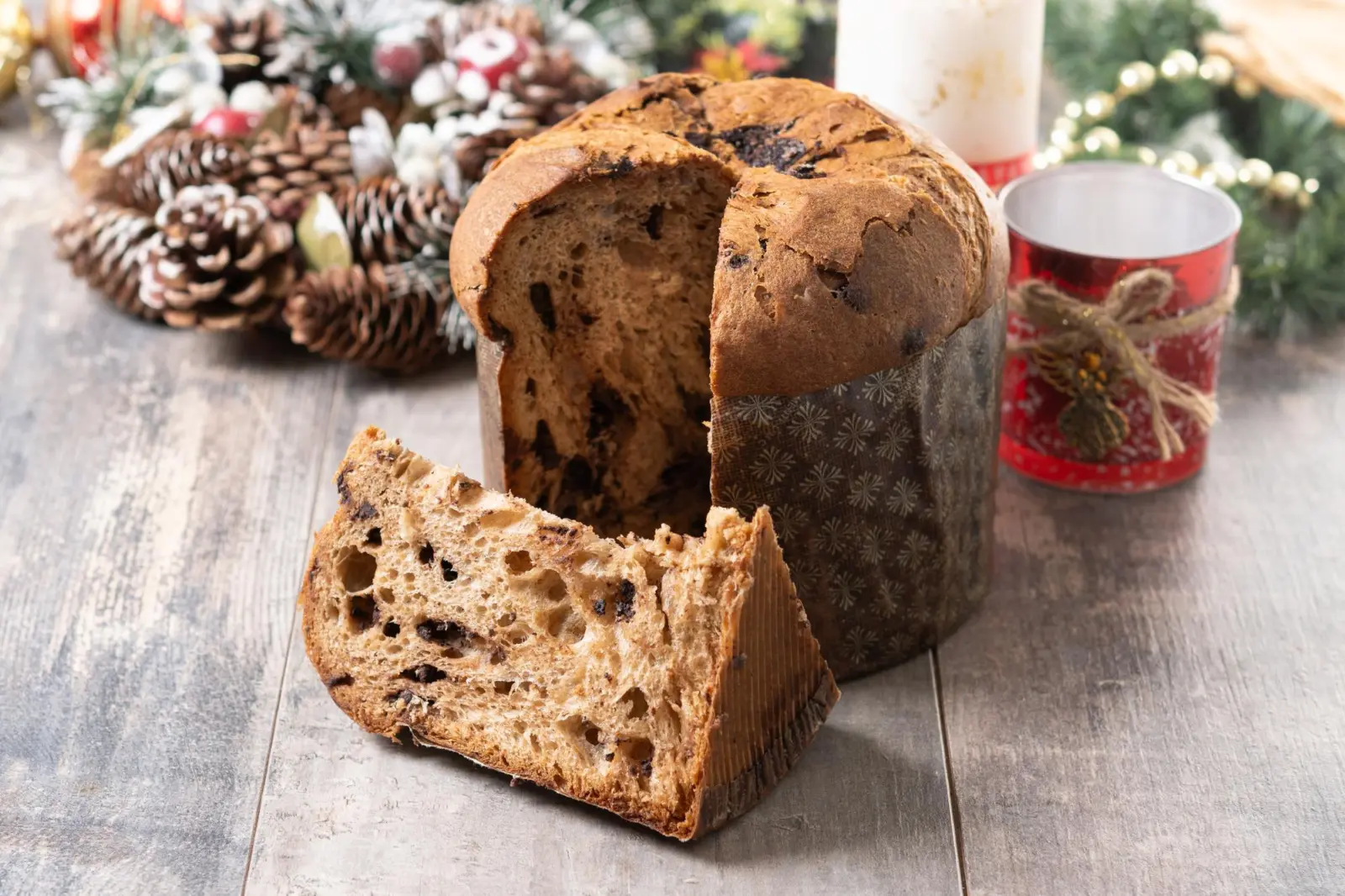
  • The Evolution of Panettone

    The Evolution of Panettone

    From its humble beginnings as a rich brioche bread named ‘Pane di Toni’ at a luxurious Christmas banquet in 1495, Panettone has transformed into a symbol of Italy’s rich baking tradition. This iconic Christmas bread, with a history as delightful as its taste, has evolved over the centuries, embracing various flavors and styles. Let’s delve into the history of Panettone and explore the diverse types that have emerged from this timeless Italian creation.

    Panettone’s Origin:
    The journey of Panettone began when a young cook named Toni improvised to save a Christmas dessert mishap for the Duke of Milan in 1495. The resulting brioche bread, filled with raisins and candied fruit, delighted the Duke, giving birth to the tradition of ‘Pane di Toni.’ Fast forward to 1821, and Panettone took on a patriotic flair, with red candied cherries and green-colored citrus replacing the original raisins and fruit, mirroring the colors of the Italian flag.

    The Tradition of Panettone at Christmas:
    In Milan, the tradition of Panettone extends beyond Christmas Day. Locals preserve a portion to enjoy during lunch on Christmas, and the bread is deliberately left to stale until February 3rd, the feast of Saint Biangio. This ritual is believed to bring good luck, as Saint Biangio is the protector of the throat.

    The Cultural Importance of Panettone:
    Panettone holds a special place in Italian culture, deeply embedded in Christmas traditions and celebrated globally. Each slice is a flavorful piece of history, representing centuries of Italian baking expertise and festive merriment. The evolution of Panettone reflects the adaptability of this traditional bread to changing tastes and preferences.

    Panettone Varieties:
    The classic Panettone has inspired a myriad of delightful variations, catering to diverse palates. Some notable types include Chocolate Panettone, featuring rich chocolate chips or chunks; Limoncello Panettone, infused with the vibrant citrus liqueur; and Pistachio Panettone, adding a nutty twist. Almond Panettone, Zabaione Cream-filled Panettone, and Gluten-Free Panettone are among the many choices that showcase the versatility of this beloved Italian bread.

    Distinguishing Panettone from Christmas Cake:
    Panettone, with its sweet, yeasty, and domed shape, is often compared to fruitcake due to the shared use of raisins and candied fruits. In contrast, Pandoro, originating from Verona, distinguishes itself with a bright yellow color, earning its name, which means “golden bread.”

    Conclusion:
    As we embrace the festive season, Panettone stands not only as a delectable treat but as a testament to Italy’s rich culinary heritage. From its origin in Milan to its global acclaim, Panettone continues to evolve, offering a range of flavors to suit every taste. Explore our selection of Panettone and other Christmas Delights, and savor the magic of this iconic Italian bread.


  • Rich History and Smoking Techniques of BBQ Brisket

    Rich History and Smoking Techniques of BBQ Brisket

    Embarking on a journey through the culinary legacy of BBQ brisket is like delving into a rich tapestry of smoky traditions and savory craftsmanship. Originating in the Southern United States, particularly Texas, the slow-cooked magic of beef brisket over wood or charcoal pits has a history as flavorful as the meat itself.

    Why BBQ Brisket?

    The tradition of slow-cooking beef brisket dates back to the early 19th century, with Texas proudly claiming its spot as the birthplace of this delectable culinary art. The significance of BBQ brisket extends beyond its mouthwatering taste; it encompasses a communal spirit and a testament to the dedication of pitmasters.

    The Pitmaster’s Art

    Crafting the perfect BBQ brisket is an art form, with pitmasters honing their skills and techniques over generations. The tough fibers of the brisket transform into a tender, flavorful delicacy through the magic of slow and low cooking. Selecting and seasoning the meat with a blend of spices and rubs enhance the smoky flavor during the prolonged cooking process.

    Smoking Through the Ages

    Smoking isn’t just a cooking method in the world of BBQ; it’s a cultural practice that imparts a distinctive taste to the brisket. Traditionally, hardwoods like oak, hickory, and mesquite are used to infuse the meat with a smoky essence, creating a harmonious blend of flavors that dance on the taste buds. This slow-cooking method, often taking up to 14 hours or more, allows the brisket to absorb the smokiness, resulting in a mouthwatering masterpiece.

    Regional Variations

    BBQ brisket showcases regional variations. Texas, with its proud barbecue heritage, is known for its simple salt and pepper rub, allowing the smoky flavors to shine. In the Carolinas, vinegar-based sauces add a tangy kick, while Kansas City is celebrated for its sweet and tomato-based barbecue sauces. Each region puts its own spin on the beloved brisket, contributing to the diverse tapestry of American barbecue.

    Smoking Times and Techniques

    Perfecting the craft of smoking a BBQ brisket is a delicate dance of time, temperature, and technique. Each hour spent in the smoky embrace of the pit transforms the tough fibers of the brisket into a tender, flavorful masterpiece. Understanding the nuances of the smoking process is key to achieving that perfect balance of smokiness, tenderness, and taste.

    The First Few Hours: Setting the Foundation

    In the initial 4 to 6 hours of smoking, the brisket undergoes a process known as the “smoke ring” formation. This distinctive pink layer just beneath the surface is a hallmark of well-smoked brisket. The meat absorbs the essence of the chosen wood, infusing it with a deep, smoky flavor.

    Midway Through: The Stall and Patience

    Around the 6 to 8-hour mark, you might encounter “the stall.” This is when the internal temperature of the brisket plateaus, sometimes for several hours. Patience is key as the brisket undergoes crucial transformations, with connective tissues continuing to break down.

    Wrapping in Butcher Paper: The Second Act

    Around the 8 to 10-hour mark, many pitmasters opt to wrap the brisket in butcher paper. This technique, often referred to as the “Texas crutch,” helps power through the stall and retains moisture, preventing the brisket from drying out during the final hours of smoking.

    Final Stretch: Achieving Perfection

    As you approach the 12 to 14-hour mark, the brisket is entering its final phase of perfection. The long smoking process has rendered the tough collagen into succulent gelatin, creating a melt-in-your-mouth texture. The bark, formed in the early hours, is now a flavorful crust that seals in the juices. The internal temperature of the brisket should ideally reach 90°C to 96°C (195°F to 205°F) for optimal tenderness.

    Let it Rest

    The recommended resting period for a smoked brisket is a critical step in the BBQ process, lasting around 1 to 2 hours. This phase allows the internal juices to evenly redistribute, ensuring each slice is moist and flavorful. The residual heat within the brisket continues cooking during this time, contributing to its final tenderness. Additionally, the resting period allows flavors to meld and intensify, providing a well-rounded and flavorful end product. Keeping your brisket in butcher paper during this period helps retain heat and moisture, making it easier to carve into succulent slices while preserving the integrity of the meat. While the temptation to dive in immediately may be strong, the patience invested in the resting period significantly enhances the overall eating experience.

    Pro-Tip: Spritzing

    Some pitmasters embrace the concept of spritzing before wrapping their brisket in butcher paper at the 8 to 10-hour mark. Spritzing involves periodically misting the brisket with a flavorful liquid to enhance moisture and add additional layers of taste. Common spritzing liquids include apple juice, cider vinegar, or a blend of these with other complementary ingredients. The spritz not only contributes to the development of a delectable bark but also ensures a juicier, more succulent end result. So, as you embark on your brisket-smoking adventure, consider incorporating the art of spritzing into your process.

    Mastering the Art

    In conclusion, becoming a maestro of smoking BBQ brisket demands a profound comprehension of the meat’s progression through the hours of smoking. From the initial infusion of smoky flavor to the patient wait through the stall and the strategic use of butcher paper, every hour plays a pivotal role in crafting the ultimate masterpiece. So, fire up the pit, embrace the rhythm of the smoking process, and relish the reward of a flawlessly smoked BBQ brisket. For all your ingredients, equipment, and gadgets to elevate your BBQ brisket game, explore our collection on Chef’s Play.

  • Insect Trap for Commercial Use: Safeguarding Hygiene and Reputation in Restaurants and Hotels

    Insect Trap for Commercial Use: Safeguarding Hygiene and Reputation in Restaurants and Hotels

    Insect traps play an indispensable role in upholding impeccable hygiene standards within the bustling settings of restaurants and hotels. When complemented by periodic insecticide applications from qualified professionals, these traps become essential tools in maintaining the cleanliness and integrity of an establishment. This becomes especially vital for businesses that welcome a high volume of daily patrons, making them particularly susceptible to potential insect infestations. An environment plagued by insect pests not only endangers the health and safety of guests but also casts a dark shadow on the reputation of the business itself. Therefore, the strategic investment in effective insect traps emerges as a cornerstone for the success and credibility of restaurants and hotels.

    But why exactly do we need insect traps?
    The significance of insect traps within the hospitality industry cannot be overstated. Insects such as flies, mosquitoes, and cockroaches not only mar the visual appeal of an establishment but also serve as vectors for harmful bacteria and pathogens. With a constant influx of food and customers, these pests pose a substantial health hazard if left uncontrolled. Insecticides, when applied proactively, offer a formidable defense against infestations and ensure the maintenance of a pristine and hygienic environment. This, in turn, boosts customer confidence and loyalty. Additionally, it’s worth noting that government food control agencies can impose fines on establishments found with infestations, potentially affecting their flow of customers due to concerns about food safety ratings.

    So, what types of insect traps are at our disposal?
    Restaurants and hotels employ various types of insect traps to suit their unique needs. Among these options, the most popular choices include light traps, electric fly zappers, and sticky traps. Presently, LED light traps have emerged as the preferred choice due to their enhanced efficiency in catching flies, delivering approximately a 73% reduction in energy consumption and carbon emissions when compared to traditional UV light traps. Light traps work by attracting flying insects and capturing them on a glue board, while electric fly traps provide a swift and safe means of pest elimination. Sticky traps, on the other hand, excel at discreetly capturing crawling insects. Combining these methods with periodic, food-safe insecticide applications ensures comprehensive pest control throughout the entire premises.

    For optimal hygiene, it’s recommended to use light traps in areas where food is handled. Electric fly zappers are better suited for locations such as garbage rooms or any areas where food is not directly processed. When selecting light traps, opt for a more discreet front-of-house model for dining areas, as these are designed to blend seamlessly with the decor and not draw immediate attention from customers.

    How should you install these traps?
    To maximize the effectiveness of insect traps, proper installation is crucial. Mounting the units on the wall at a height of approximately 2 meters (6.5 feet) from the ground, aligning with the typical flight path of flies, ensures easy access for servicing. Care should be taken to avoid obstructive or potentially damaging placements. The strategic positioning of units can divert flies away from critical areas, intercepting them before they enter, thus safeguarding the target areas you aim to protect. It is of utmost importance not to place these units directly over food preparation, packaging, or processing areas, ensuring the maintenance of hygiene and safety standards. For sticky traps, strategic placement is essential to effectively capture crawling pests.

    Additionally, avoid installing fly traps adjacent to natural sources of UVA light e.g. sunlight or near frequently opened doors. Placing fly traps near windows or strong sunlight may divert flies towards the natural light source, reducing the trap’s effectiveness. Similarly, traps near frequently opened doors can disrupt the trapping process, allowing flies to escape and diminishing the trap’s efficiency in capturing them. To optimize the effectiveness of your fly traps, steer clear of these placement scenarios.

    How should you maintain these traps?
    Consistent maintenance of insect traps is paramount to ensure they operate at peak performance. The strategic choice of installing light traps at a height of 2 meters simplifies inspections, eliminating the need for a ladder to assess the glue board’s status. This height allows for easy visual monitoring as you pass by, facilitating prompt glue board replacements when necessary. Sticky traps should be cleaned and replaced regularly, ideally every 30 days. Furthermore, it’s advisable to routinely inspect electric fly traps for any debris or deceased insects that may impede their function. Always ensure that the bulbs in your light traps are functioning correctly, as damaged bulbs can significantly diminish their effectiveness in attracting insects.

    Conclusion?
    In conclusion, investing in insect traps for commercial use constitutes a prudent decision for restaurants and hotels. These traps play a pivotal role in upholding hygiene standards, protecting customer health, and preserving the establishment’s hard-earned reputation. By implementing the right insecticides and positioning the traps strategically, businesses can create a safe and inviting environment, fostering patron loyalty and positive word-of-mouth. Regular maintenance ensures that these essential tools remain efficient in their mission of safeguarding against unwanted pests. Explore our diverse range of insect traps for both commercial and residential use to fortify your commitment to hygiene and reputation.


  • Smoking Meat with Style: Elevate Your Grilling Game with Pellet Grills

    Smoking Meat with Style: Elevate Your Grilling Game with Pellet Grills

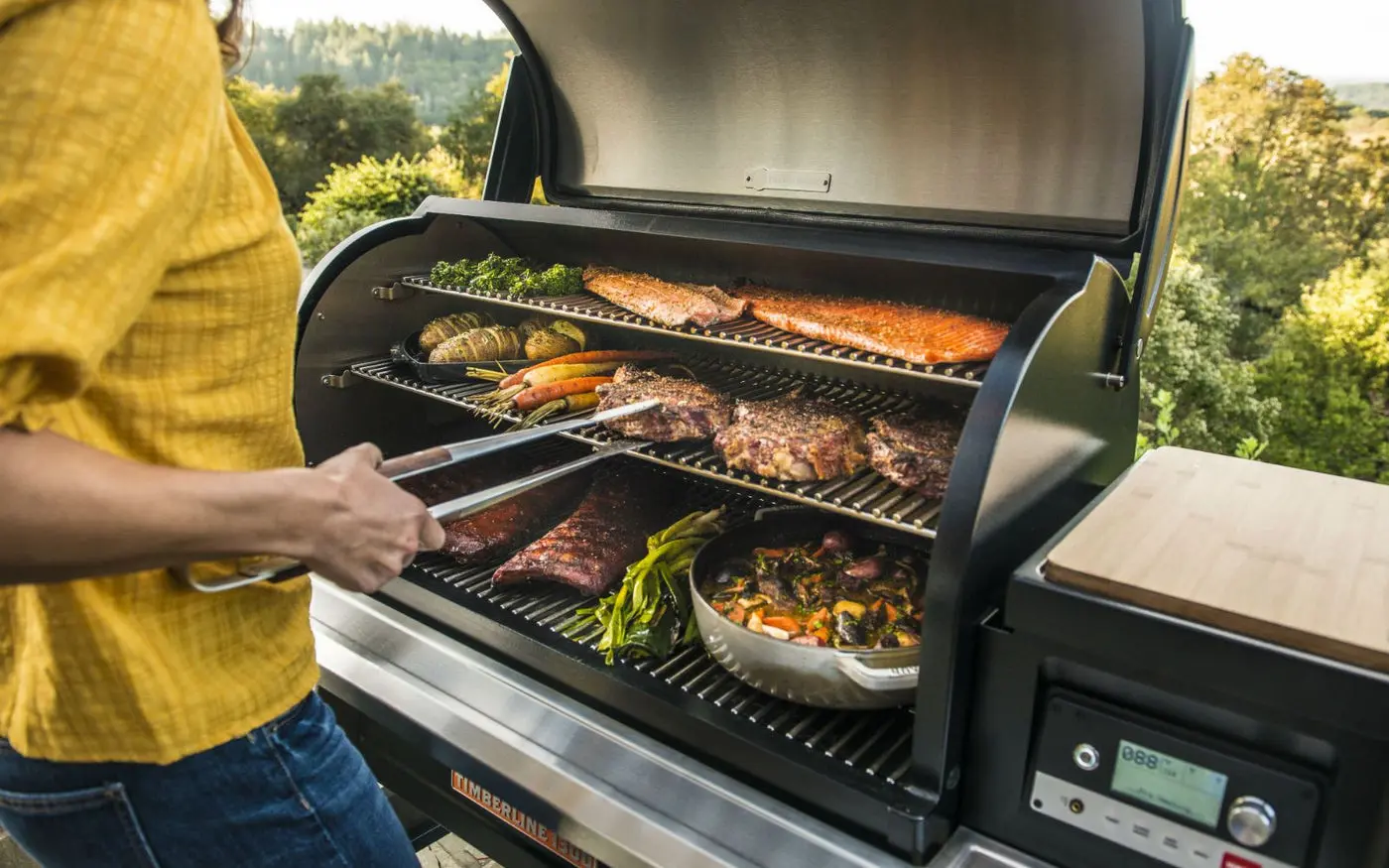
    Smoking meat has been a culinary tradition cherished by pitmasters and backyard barbecue enthusiasts alike for generations. The slow and flavorful process of smoking infuses a tantalizing smokiness and tenderness into your favorite cuts of meat, creating a mouthwatering experience that’s hard to beat. If you’re looking to take your smoking game to the next level, consider the revolutionary world of pellet grills.

    The Art of Smoking Meat
    Before we delve into the exciting world of pellet grills, let’s first appreciate the timeless art of smoking meat. Smoking is a low-and-slow cooking method that involves using smoke generated from burning wood chips or pellets to flavor and cook the meat slowly over an extended period. This process imparts a rich, smoky flavor that meat lovers crave and transforms tough cuts into tender, juicy masterpieces.

    Why Choose Pellet Grills?
    Pellet grills, often referred to as pellet smokers, offer a unique and convenient way to smoke meat that combines the best of both worlds: the precision of an oven and the smoky goodness of traditional smoking methods. Here are some compelling reasons to consider pellet grills for your next smoking adventure:

    1. Ease of Use: Pellet grills are known for their user-friendly operation. With just a push of a button, you can set your desired temperature, and the grill takes care of the rest. This automation allows you to focus on flavor profiles and recipes rather than constantly tending to the fire.

    2. Consistent Temperature Control: Precise temperature control is a hallmark of pellet grills. They use a thermostat to maintain the set temperature, ensuring that your meat cooks evenly and retains its moisture.

    3. Versatility: While pellet grills excel at smoking, they are incredibly versatile. Many models offer the flexibility to grill, roast, bake, and even sear your food. This versatility makes them an all-in-one cooking solution for various culinary creations.

    4. Flavor Variety: Pellet grills allow you to experiment with a wide range of wood pellet flavors, from classic hickory and mesquite to fruitwoods like apple and cherry. These wood pellets infuse your meat with unique, delicious smoky flavors.


    Introducing Traeger Grills
    We’re excited to showcase the latest addition to our collection: Traeger grills. Traeger has long been a pioneer in the world of pellet grills, known for their exceptional quality, innovation, and delectable results. Here’s why Traeger grills are making waves in the world of smoking:

    1. WiFIRE® Technology: Traeger’s WiFIRE® technology allows you to control your grill from your smartphone, giving you the freedom to monitor and adjust cooking temperatures and times remotely. Whether you’re entertaining guests or simply relaxing, you have complete control at your fingertips.

    2. Wide Range of Models: Traeger offers a diverse range of grills to suit every grilling and smoking need. Whether you’re a beginner or a seasoned pitmaster, you’ll find a Traeger grill that fits your preferences and budget.

    3. Quality Craftsmanship: Traeger grills are built to last. With durable construction and a commitment to quality, these grills are designed to withstand the test of time, ensuring you’ll enjoy years of flavorful grilling and smoking.

    4. Community and Resources: When you choose Traeger, you’re not just getting a grill; you’re joining a passionate community of grill enthusiasts. Traeger offers a wealth of recipes, tips, and resources to help you master the art of smoking and grilling.


    Elevate Your Culinary Journey with Traeger
    Whether you’re a seasoned pitmaster or just starting your smoking journey, Traeger grills offer a world of possibilities for creating mouthwatering, smoky masterpieces. Explore the convenience and flavor of pellet grills today. Embark on a flavor-packed journey that will delight your taste buds and impress your guests. It’s time to ignite your passion for smoking meat with style and precision, courtesy of Traeger grills.

    Visit our website and check out our Traeger collection to discover the latest Traeger grill models and accessories, and get ready to elevate your grilling game like never before.